Environmental Protection
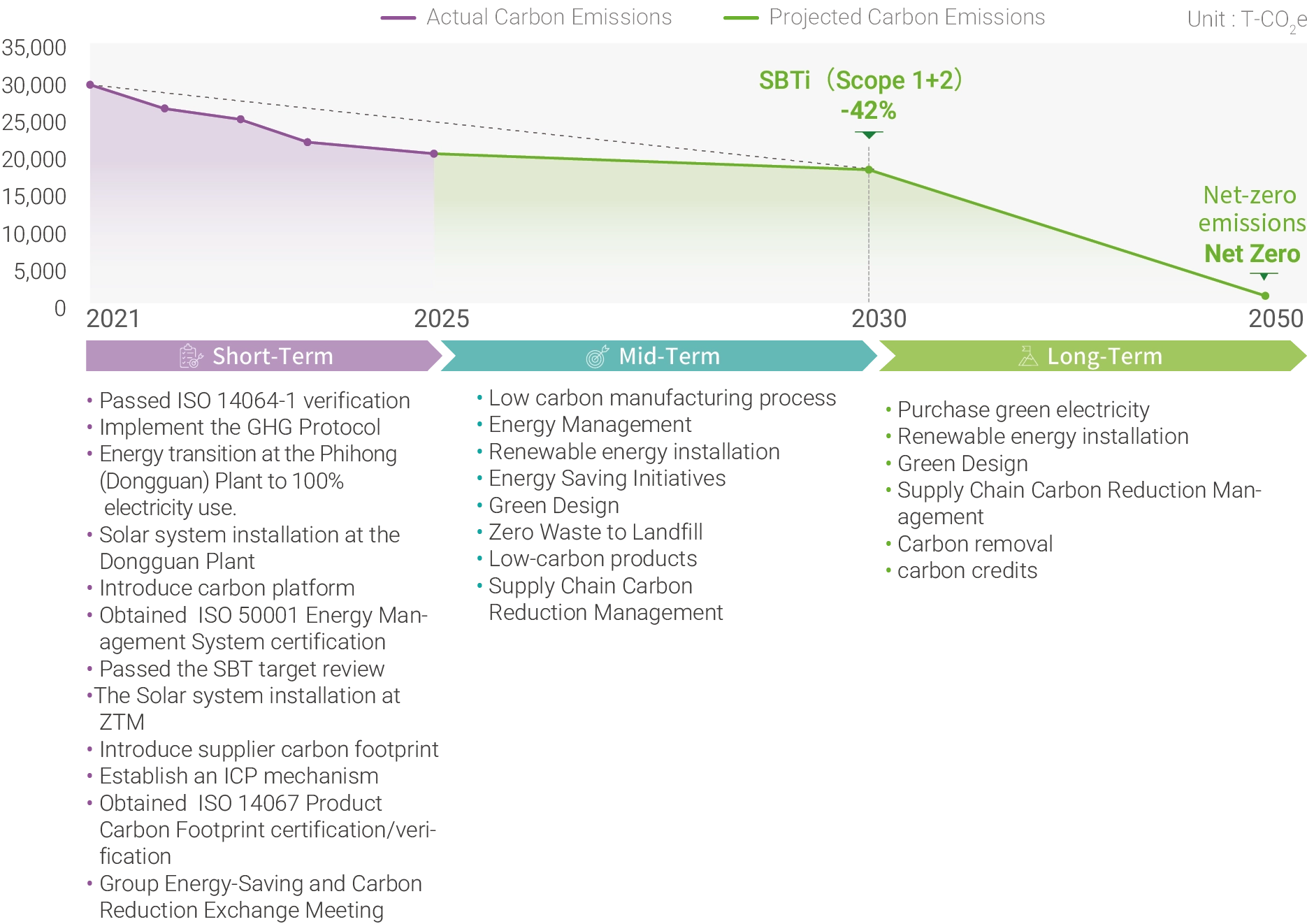
Phihong deeply recognizes the importance of Earth's resources and sustainable development. The company actively promotes environmental management systems and aligns with global carbon reduction trends. Using 2021 as the baseline year, Phihong aims to achieve a 42% reduction in carbon emissions (Scope 1+2) by 2030, working toward net-zero emissions by 2050.
Climate Strategy (TCFD & TNFD)
In response to the challenges of climate change, Phihong signed to support TCFD in 2022. By 2025, in accordance with the TCFD and TNFD frameworks, the Company disclosed climate and nature-related information across four key areas: governance, strategy, risk and impact management, and metrics and targets. The company continues to develop a mechanism for identifying climate- and nature-related risks and opportunities. Through financial quantitative analysis, it understands their impact on operations and strategy, enhances risk management and response capabilities, while also exploring low-carbon transformation and innovation opportunities to promote sustainable development and advance towards a low-carbon economy. For detailed information, please refer to the 2025 Climate and Nature Biodiversity Report.
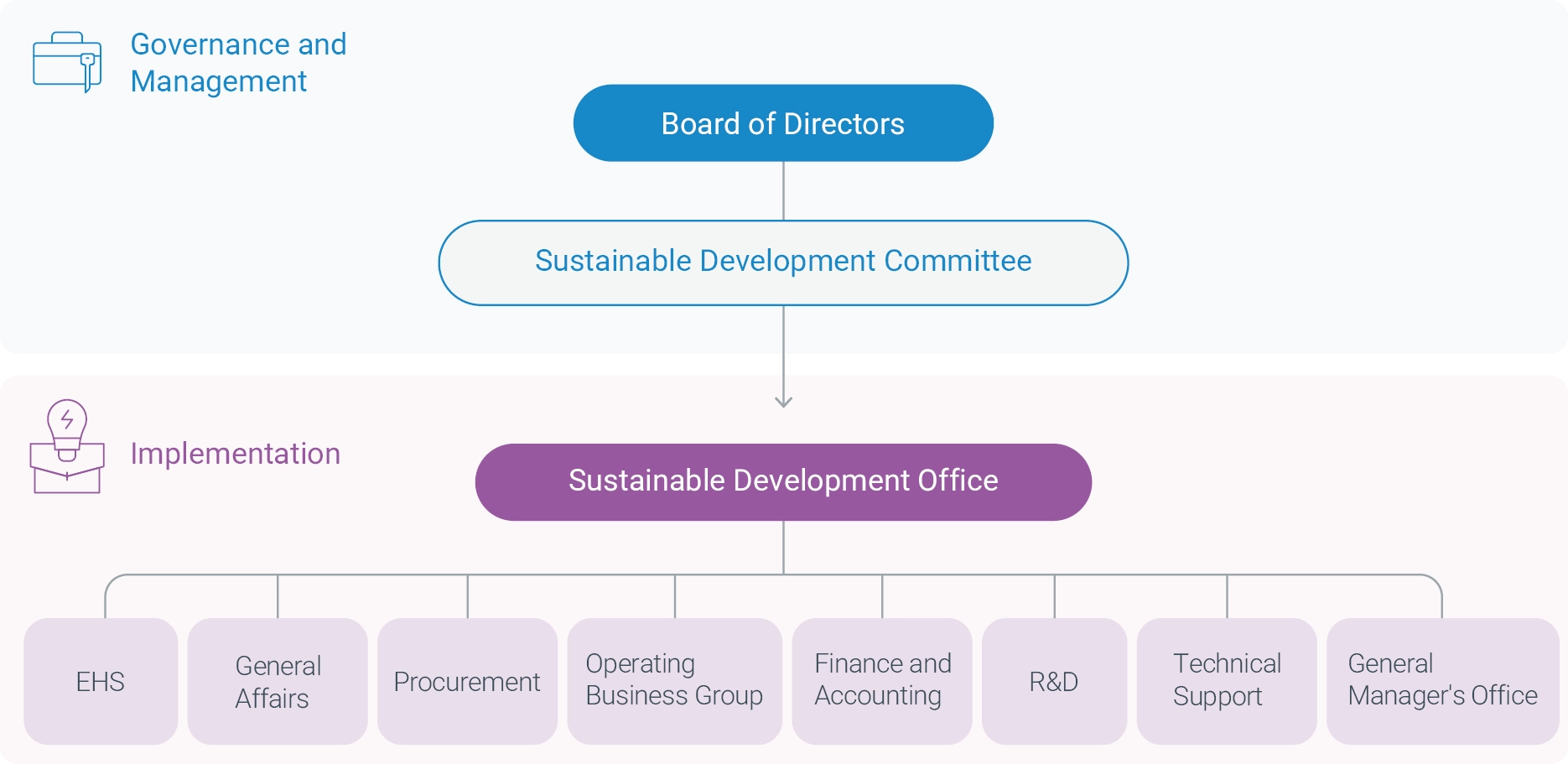
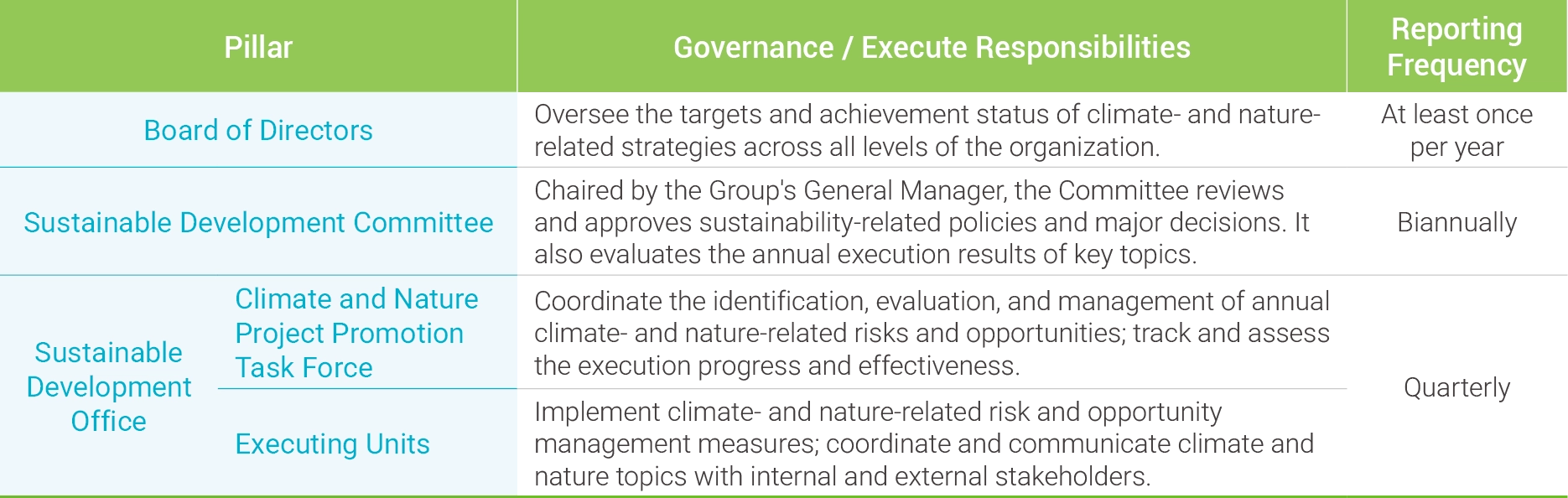
Phihong follows the TCFD and TNFD frameworks to establish a climate and nature governance system, incorporating it into corporate decision-making and operations management. The Board of Directors serves as the highest decision-making body, under which a “Sustainable Development Committee” is established. This Committee is responsible for overseeing the promotion and
performance of climate and nature topics, and for incorporating the assessment of related risks and opportunities in major decisions. The execution level is coordinated by the Sustainable Development Office, which has established the “Climate and Nature Project Promotion Task Force” responsible for the identification, evaluation, and management of risks and opportunities. Each department implements relevant measures according to its duties, and the Chief Sustainability Officer regularly reports the promotion achievements to the Board of Directors to ensure the effective operation of the governance mechanism.

Phihong incorporates climate and nature risks and opportunities into its core decision-making,promoting low-carbon transformation and environmental sustainability. It has set commitments to net-zero emissions and protect biodiversity, reducing environmental impact through forward-looking management and technological innovation.
Phihong’s targets have been approved by the SBTi, committing to reducing Scope 1 and 2 emissions by 42% by 2030 compared to 2021, reducing Scope 3 carbon intensity by 51.6% compared to 2022,and achieving net-zero by 2050. To achieve these targets, the Group actively promotes energy transition by increasing the use of renewable energy and reducing dependence on fossil fuels through the deployment of in-house solar power systems and the purchase of green power ; at the same time,smart energy management systems are implemented to optimize processes and improve energy efficiency.
On the product front, Phihong focuses on low-carbon design and high-performance technology,incorporating third-generation semiconductors such as GaN and SiC to develop high-efficiency charging products, reducing energy consumption and carbon footprint. Zerova focuses on EV charging solutions and has installed over 100,000 chargers worldwide, promoting the development of green transportation. In addition, Phihong is joining forces with the supply chain to promote carbon reduction actions, implementing carbon inventory and reduction management, driving the entire value chain toward a comprehensive low-carbon transformation.
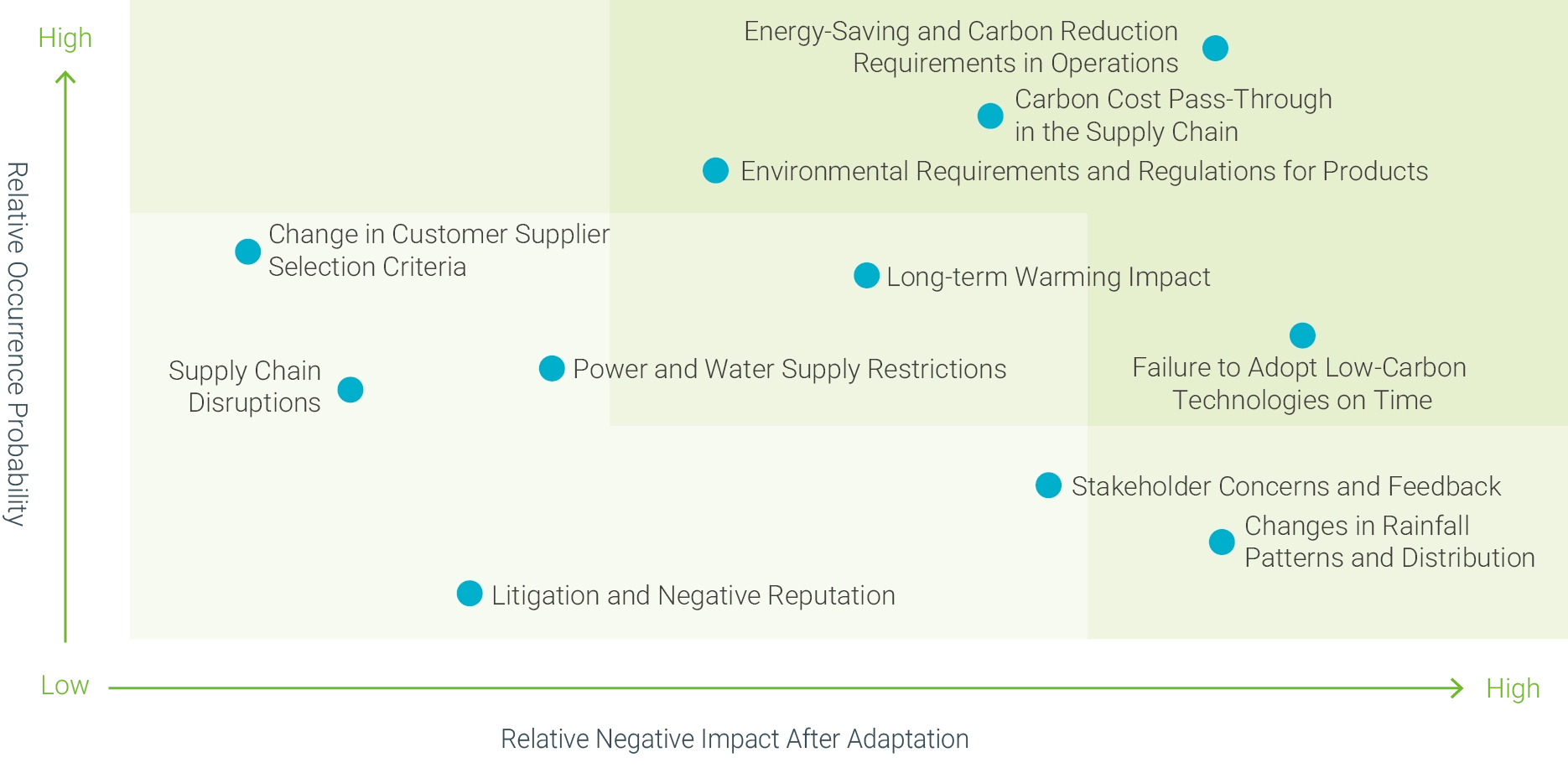
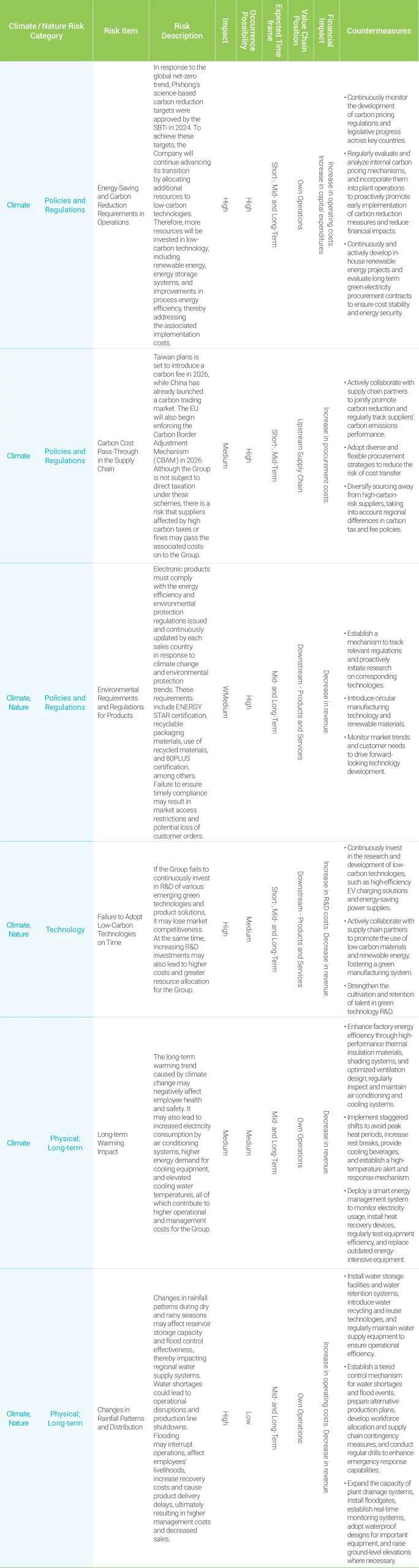
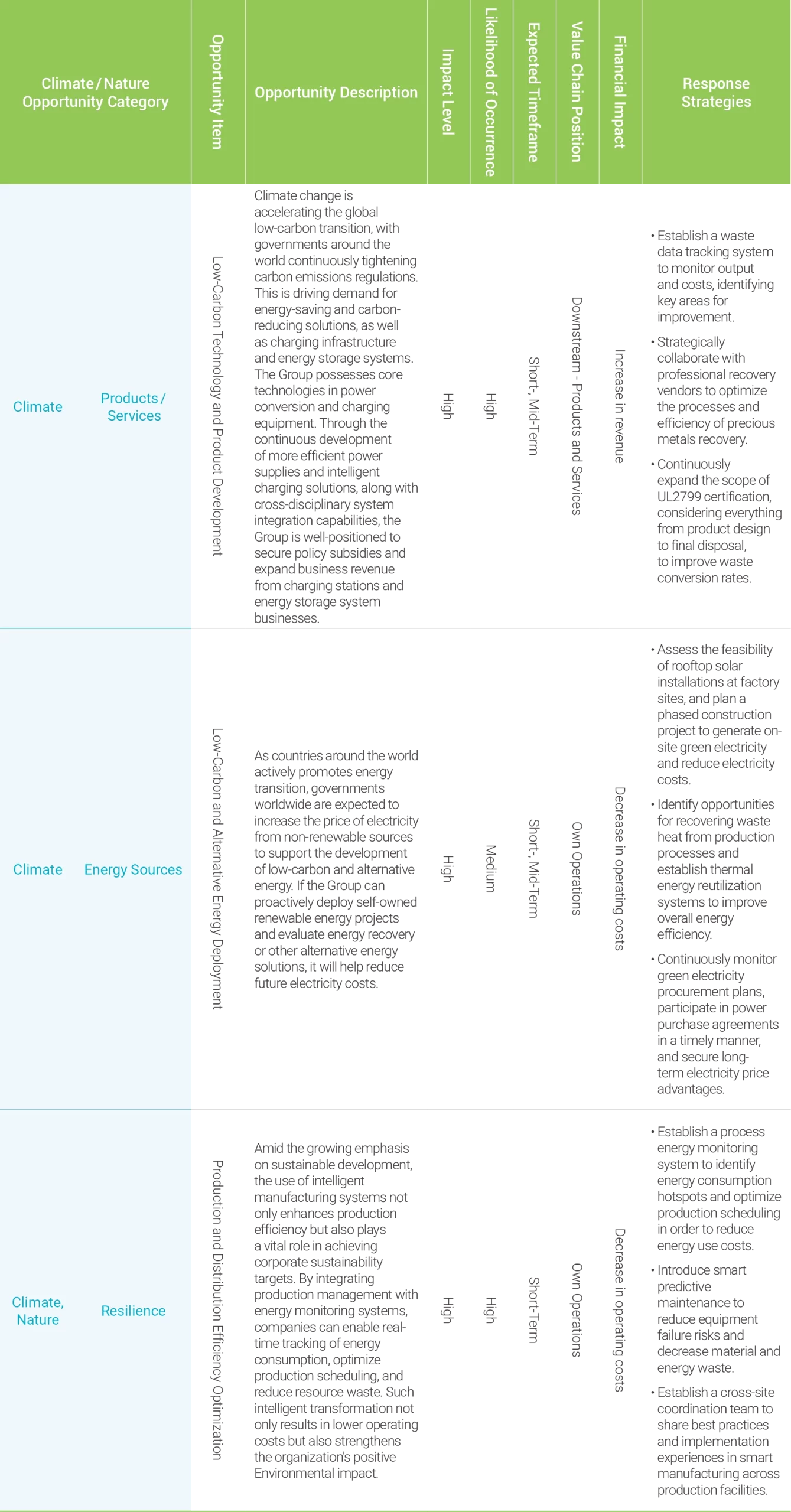
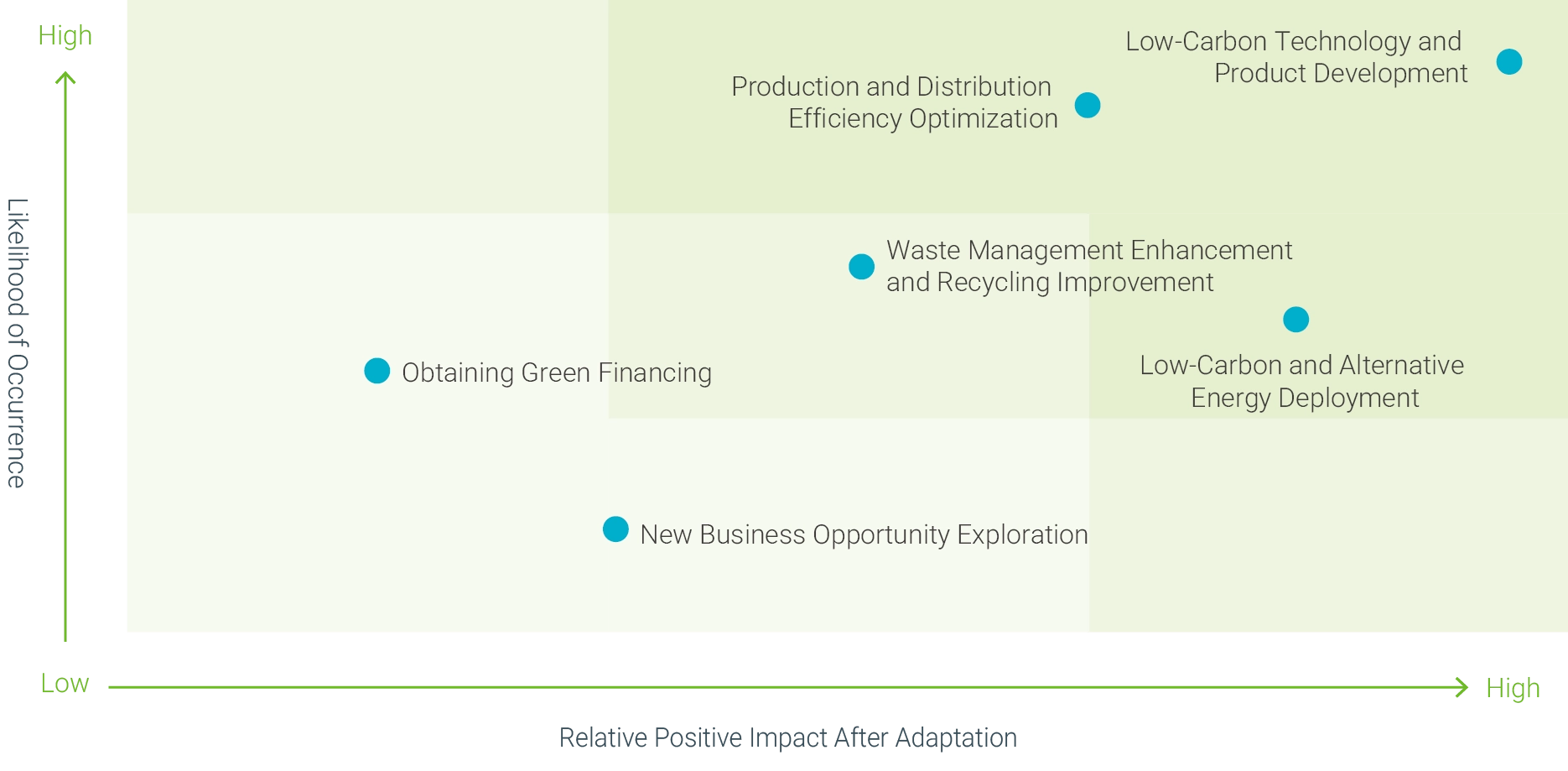
Phihong categorizes risks and opportunities associated with climate- and nature-related issues by timeframe: short-term ( within 2 years ), mid-term (2–6 years ), and long-term (beyond 6 years ). The Sustainable Development Office systematically identifies potential risks and opportunities through regular reviews of international research reports, industry trend analysis, and multi-stakeholder surveys. In 2025, a total of 11 risks and 6 opportunities were identified. Cross-departmental questionnaires were used to assess their Likelihood of Occurrence and Impact Level, which informedthe prioritization of management items, ultimately focusing on 6 High Risks and 3 key opportunities.
The main risks include the impact of extreme weather events on plant operations, the cost pressure associated with the global push for net-zero policies, and the potential of carbon cost pass-through within the supply chain resulting from carbon pricing mechanisms. In addition, long-term warming trends and changes in rainfall patterns caused by climate change may lead to increased operational management costs and a higher risk of business disruptions. In response, Phihong has established
a comprehensive risk identification and response mechanism to strengthen the resilience of its operations and value chain.
In terms of opportunities, the Group regards low-carbon transformation as a core strategy. Phihong leverages technological innovation, product design optimization, and the adoption of renewable energy to strengthen its market competitiveness. For example, it develops high-efficient, energysaving power products to meet growing demand for low carbon products, and actively participates in international green supply chain initiatives to expand business opportunities. Overall, Phihong systematically evaluates and strategically positions itself to proactively address climate and naturerelated challenges, seizing transformation opportunities to strengthen its long-term competitive advantage.
Phihong conducts comprehensive identification of potential internal and external risks and impacts, covering aspects such as operations, technology, information security, facilities, supply chain, finance, and human resources. A comprehensive mechanism, encompassing early warning, emergency response, crisis management, and recovery, has been established, with a dedicated unit responsible for implementation to enhance risk resilience and ensure operational stability and sustainable development. For detailed description, please refer to section 3.5 Risk Management of this report.
Establish a climate and nature risk management framework by adopting 4 major steps to identify risks and opportunities, integrating them into corporate strategies and decision-making. Develop quantifiable strategies and action plans for key topics, set KPIs and phased targets, and continuously review and optimize through the PDCA cycle to enhance operational resilience and create sustainable value. Through this robust risk and opportunity assessment process, the Group not only responds swiftly to international regulatory and market changes, but also actively expands its sustainability impact across the value chain. By engaging partners in climate and nature-related initiatives, we reinforce our leadership position and operational resilience in the low-carbon transition.

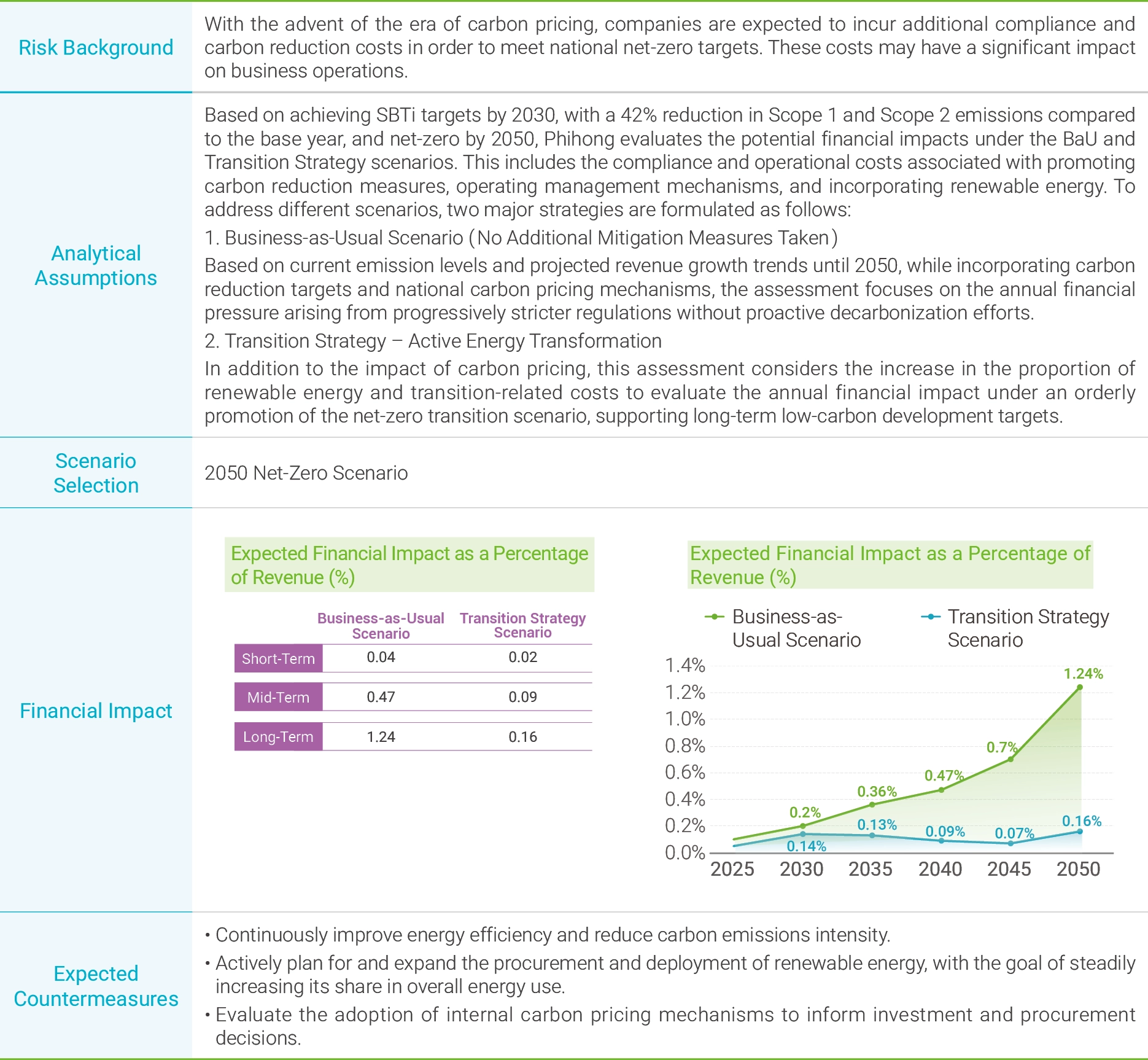
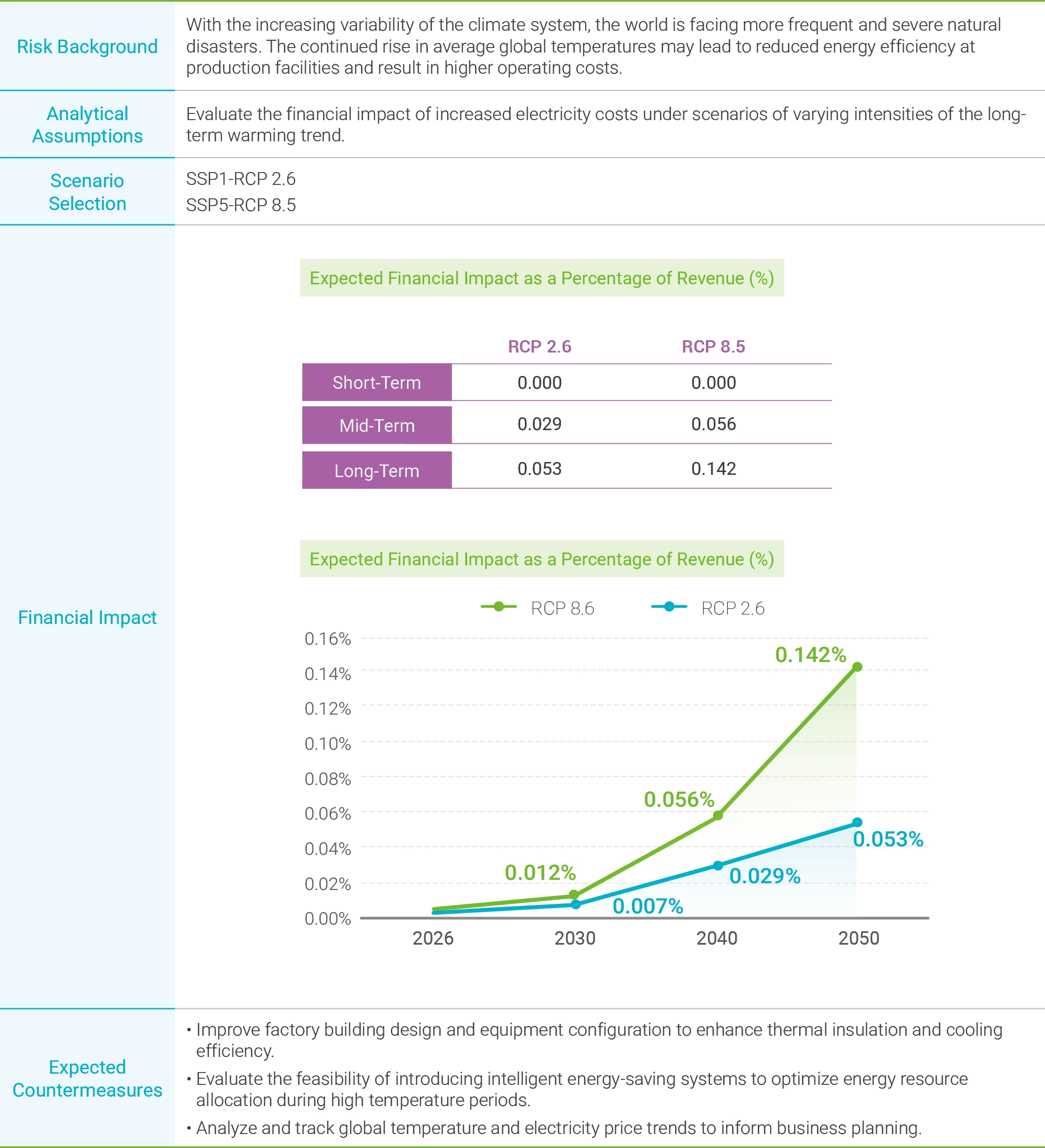
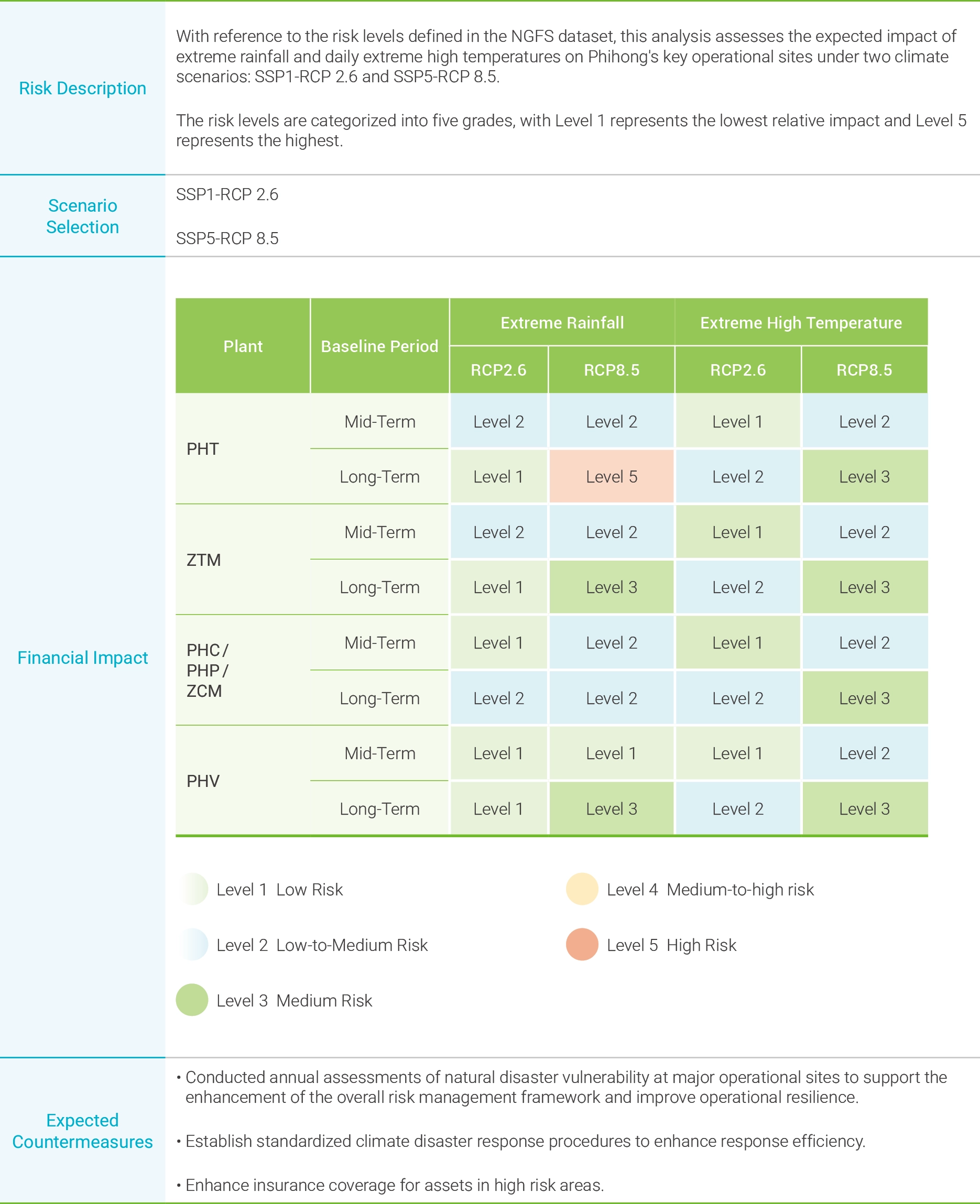
Conduct a quantitative assessment of significant climate and nature risks, analyzing the potential impacts under short-, mid-, and long-term scenarios to develop mitigation and adaptation measures. For detailed information, please refer to Phihong’s 2025 Climate and Nature Biodiversity Report.
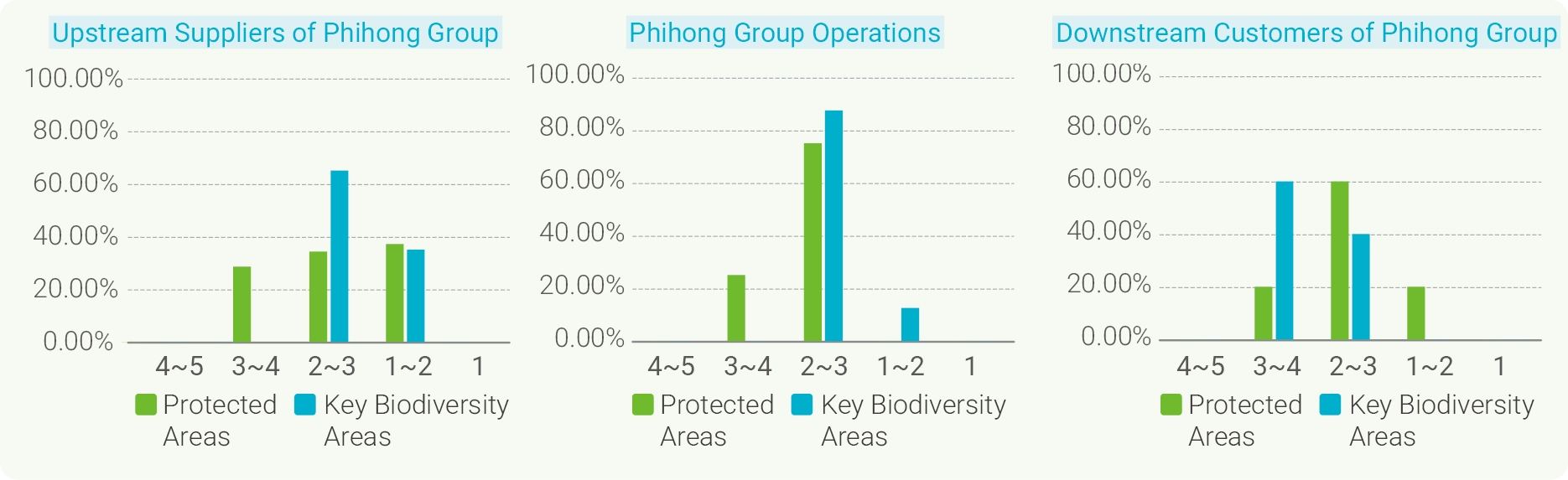
In response to emerging trends in nature-related risk management, Phihong initiated an assessment this year to evaluate potential impacts and risks on biodiversity-sensitive areas across its value chain. The assessment leveraged the Biodiversity Risk Filter developed by the World Wide Fund for Nature (WWF) to evaluate the geographic locations of upstream suppliers, Phihong’s own operations sites, and downstream partners. This serves as a crucial basis for future climate- and nature-related risk management and disclosure.
This assessment covered 100% of the Group’s operational sites, core suppliers, and all waste disposal contractors. Risk levels were classified on a 1–5 scale based on the potential impact level on Protected Areas (PA) and Key Biodiversity Areas (KBA) in each location to ensure the completeness and representativeness of the analysis results. The risk distribution was statistically analyzed based on score intervals, with particular attention to high-risk zones ( grades 4–5).
The results show that the entire Group does not fall into high sensitivity zones ( grades 4–5) in upstream, operations, or downstream, with the majority of sites concentrated in low-to-medium risk ranges ( grades 2–4), indicating that the overall biodiversity risk is low. In the future, risk changes will be continuously monitored and incorporated into supplier management, site planning, and sustainability strategies to reduce impacts on natural capital and strengthen overall risk management capabilities.
In response to the increasing risks of Climate Change and extreme disasters, Phihong has implemented a Business Continuity Planning (BCP) to establish an operational interruption response mechanism. In the event of an emergency, the BCP enables the Group to swiftly activate response mechanisms, ensuring the timely resumption of operations and minimizing potential impacts. To enhance the effectiveness of the BCP, Phihong conducts annual reviews and optimizations, linking it to key performance indicators (KPI) to improve response efficiency and management effectiveness. The system applies to the entire group and is promoted by the General Manager to ensure the implementation of all operational targets. Currently, standard operating procedures (SOPs) have been established for seven major risks: natural disasters, manmade incidents, product safety, infectious diseases, workplace accidents, information security, and supply chain events. These are complemented by insurance mechanisms to disperse risks and mitigate financial impact, ensuring stable business operations.
To address the operational challenges posed by climate and environmental changes, Phihong continues to promote green operations, focusing on energy conservation and carbon reduction, renewable energy, water resources, and waste management. The Company strengthens the effectiveness of environmental management through annual performance reviews and continuous improvement mechanisms. Regarding Waste Management, considering the discrepancy between the original targets and actual operational conditions, 2025 ( intensity of 209.54 kg per million in revenue) has been set as the base year to reset the Short-, Mid- and Long-Term targets to ensure that the Management Targets are more reasonable and actionable.
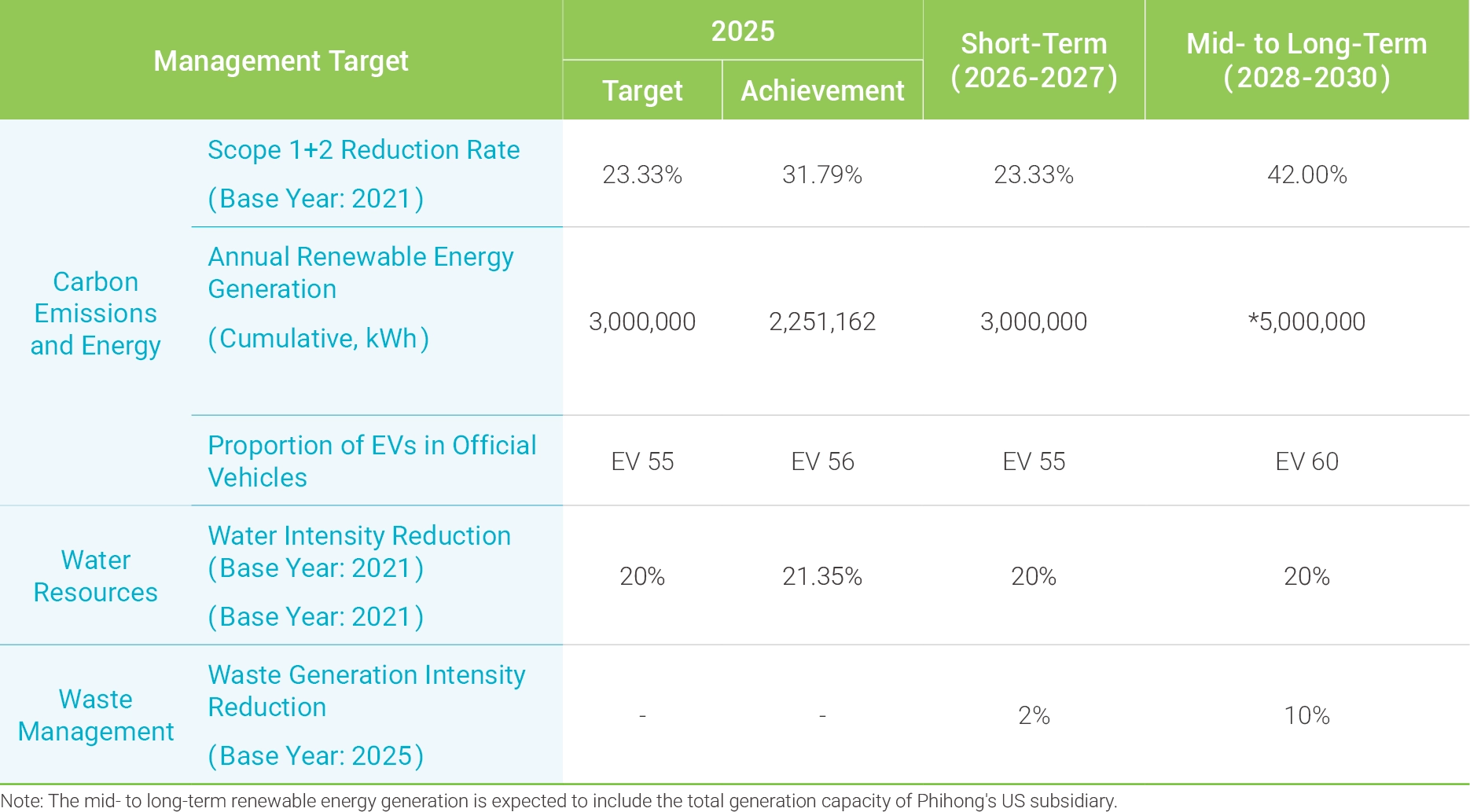
Phihong actively aligns with international climate initiatives and proactively adopted the Science-Based Target Initiative (SBTi ) in 2023, setting carbon reduction pathways following the Net-Zero Standard. Commitment to “reduce absolute Scope 1 and 2 GHG emissions by 42% by 2030 using 2021 as the base year; reduce Scope 3 carbon intensity by 51.6% using 2022 as the base year.”
The targets were officially approved by SBTi in March 2024, and the company continues to actively respond to the Paris Agreement’s 1.5° C warming control objective through climate information disclosure and the promotion of charging infrastructure.