Corporate Governance
By enhancing transparency, accountability, and efficiency, strengthen the balance between management and shareholders, establish effective risk management and internal control mechanisms, to enhance long-term corporate value and promote sustainable operations.
Sustainable Supply Chain Managemen
Governance Framework and Policy
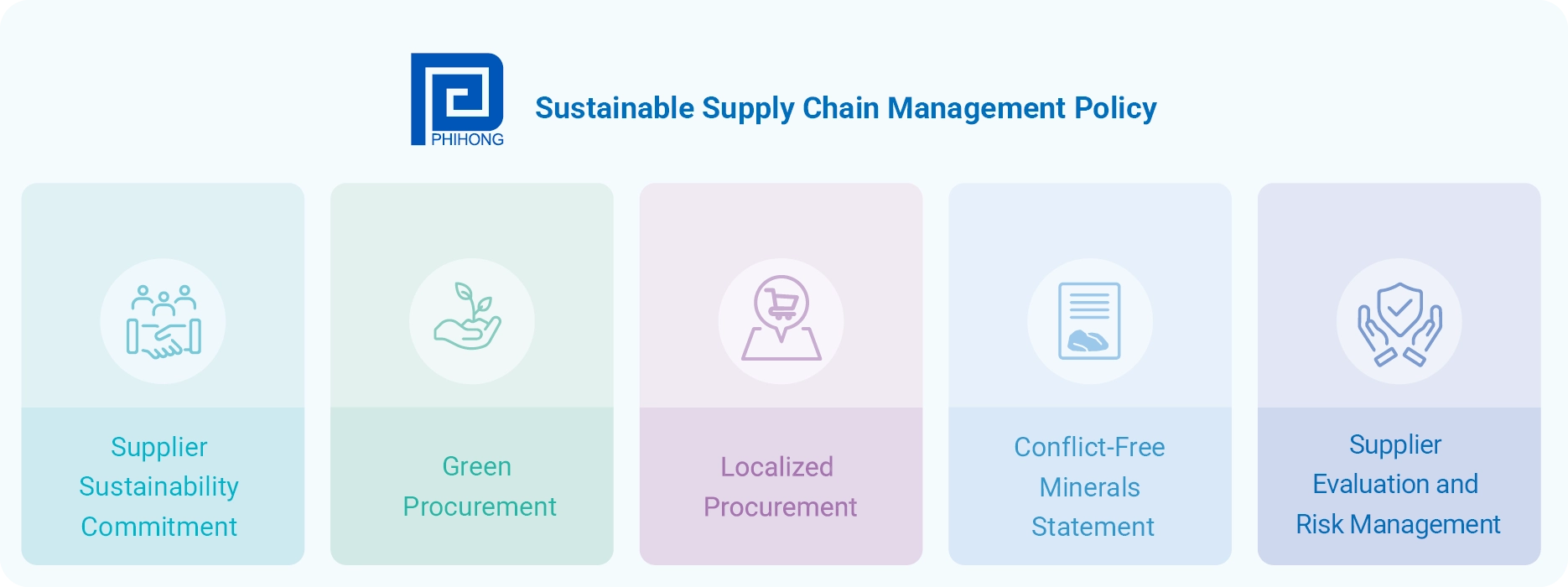
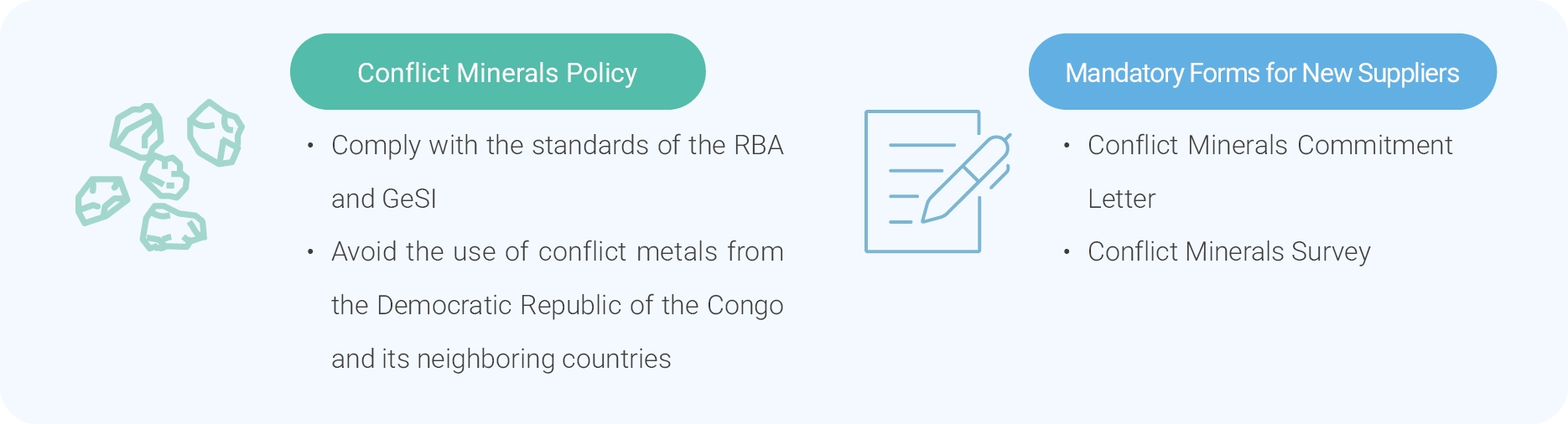
Phihong follows the “Procurement Management Procedure” and relevant internal systems to establish a comprehensive supplier management mechanism, systematically controlling operational risks and strengthening supply chain resilience. All suppliers are required to sign the “Integrity Commitment Letter,” “Confidentiality Agreement,” “Environmental and Social Responsibility Commitment Letter,” and “Conflict Minerals Survey” to ensure their compliance with company standards in aspects of labor rights, environmental protection, business ethics, and occupational health and safety, thereby jointly constructing a responsible and sustainable supply chain system. The key points of the Supply Chain Management Policy are as follows:
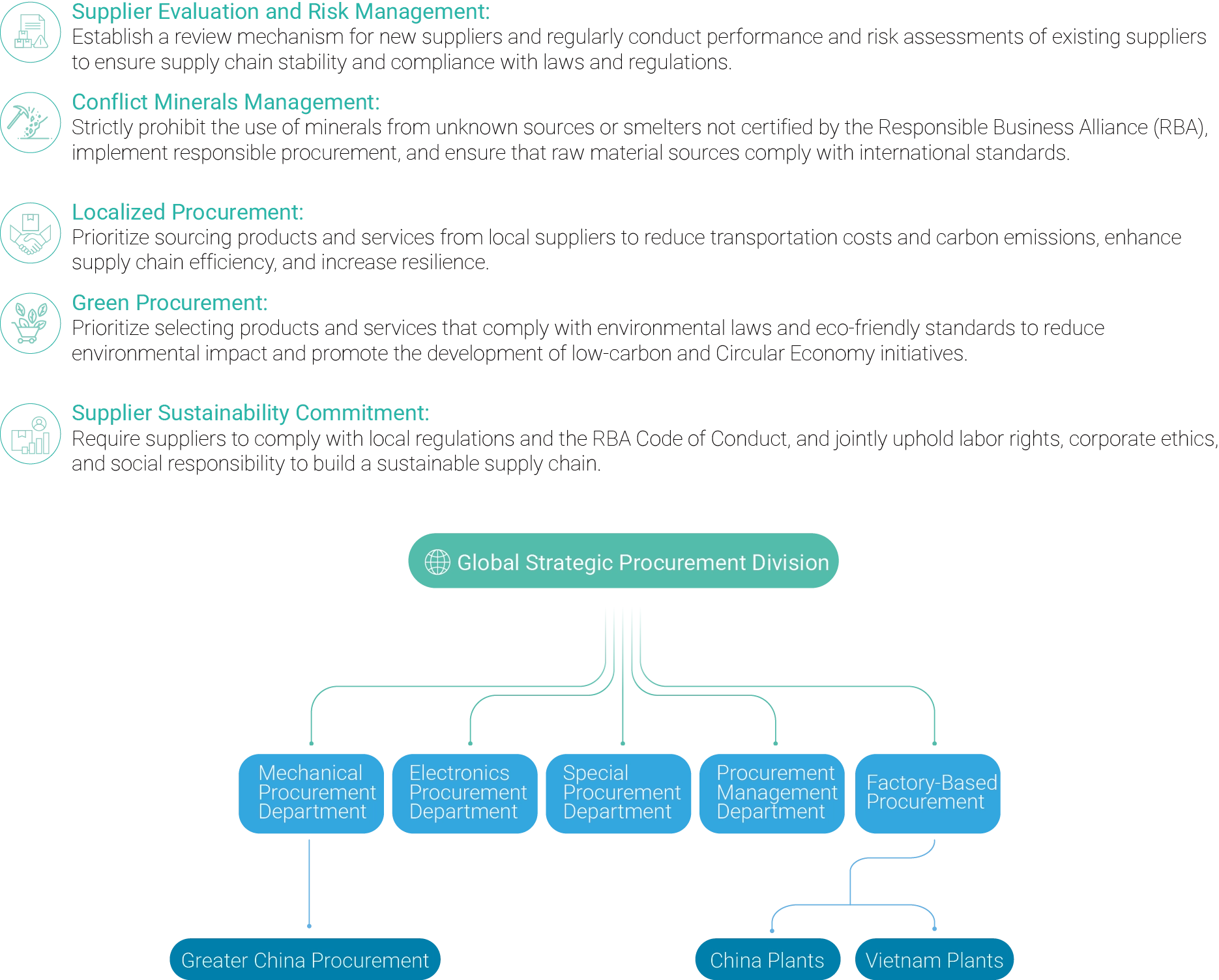
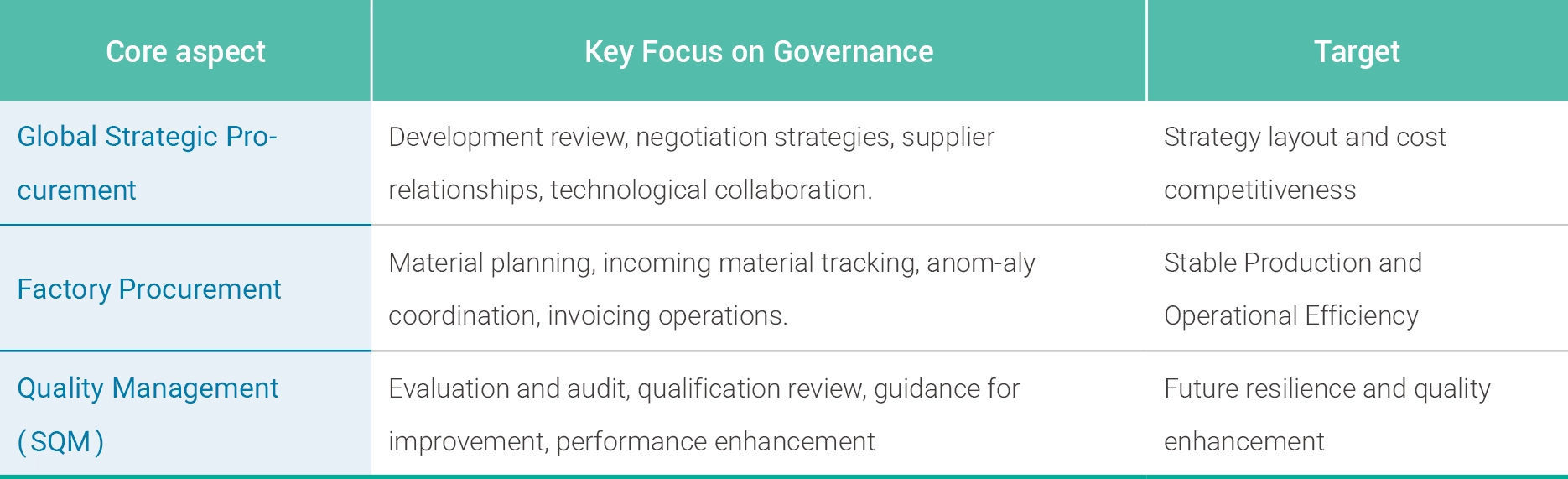
Phihong integrates ESG principles into the lifecycle management of suppliers, establishing a comprehensive mechanism covering introduction, assessment, audit, and improvement. This aligns with SDG 12, Responsible Consumption and Production, and implements sustainable development across the value chain. To address the expansion of overseas production capacity, the Phihong ( Vietnam) plant has established a local procurement team dedicated to increasing the ratio of localized materials and strengthening supply chain resilience. The overall supply chain governance is divided into three core aspects, showcasing precise division of labor and collaboration value.
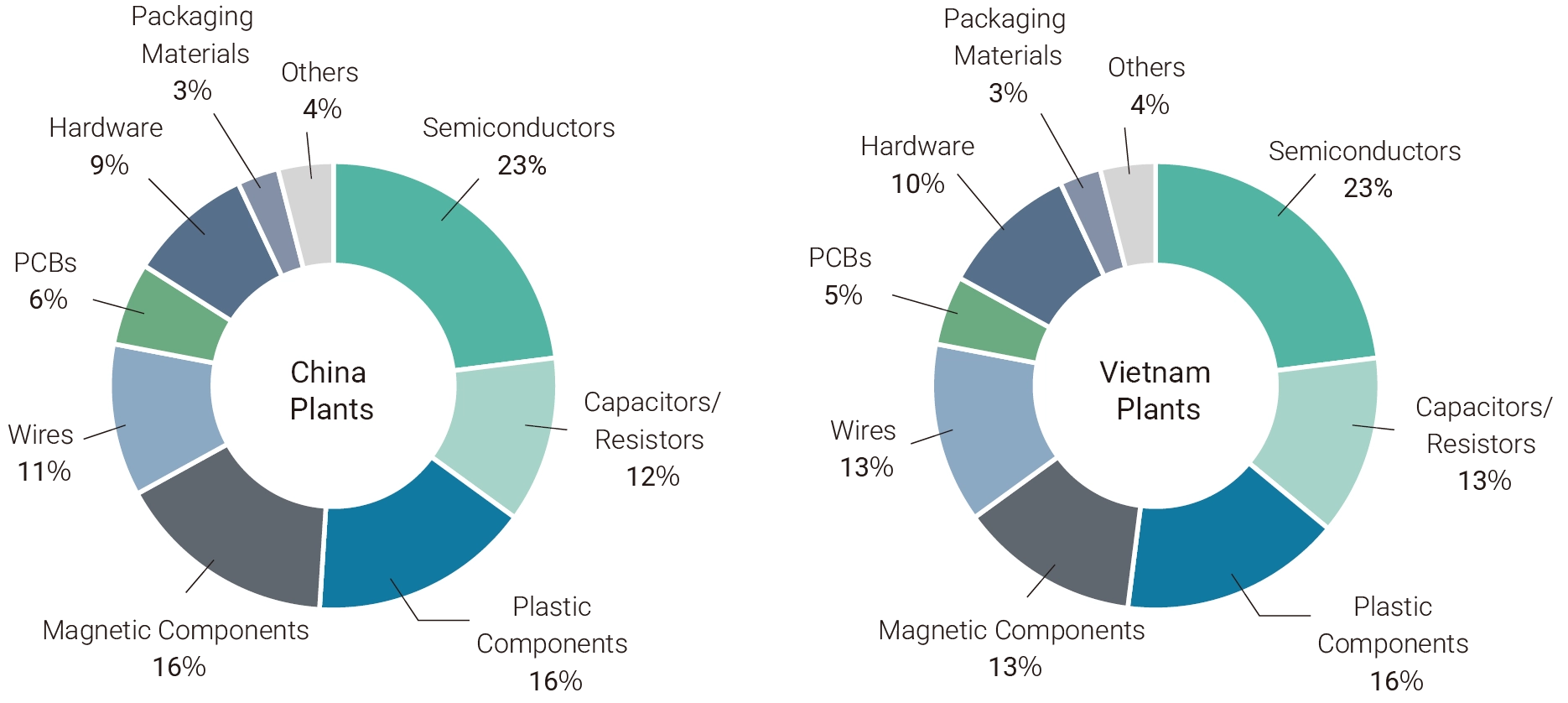
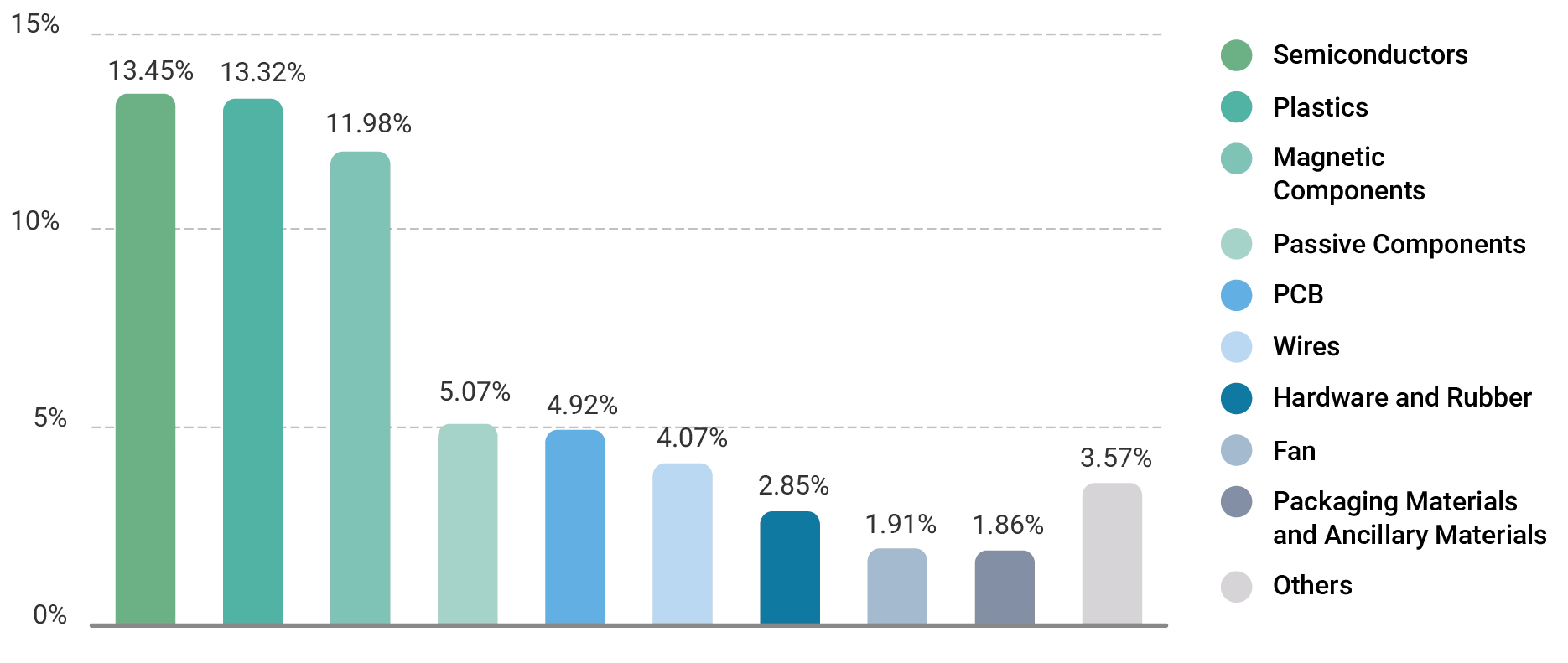
To ensure the supply chain has stable supply capabilities, reliable quality, and sustainable resilience, Phihong has developed a systematic management mechanism that encompasses supplier admission, evaluation and grading, auditing, guidance, and continuous improvement. This mechanism includes the management scope of product quality, compliance with environmental regulations, labor and human rights, occupational health and safety, business ethics, and supply chain risks. In 2025, Phihong collaborated with approximately 550 suppliers, covering main categories such as semiconductors, capacitors / resistors, plastic components, magnetic components, and cables, which together accounted for over 70% of the total procurement amount. Among these, semiconductors were the largest category, highlighting the critical importance of managing key materials and ensuring supply stability for overall operations.
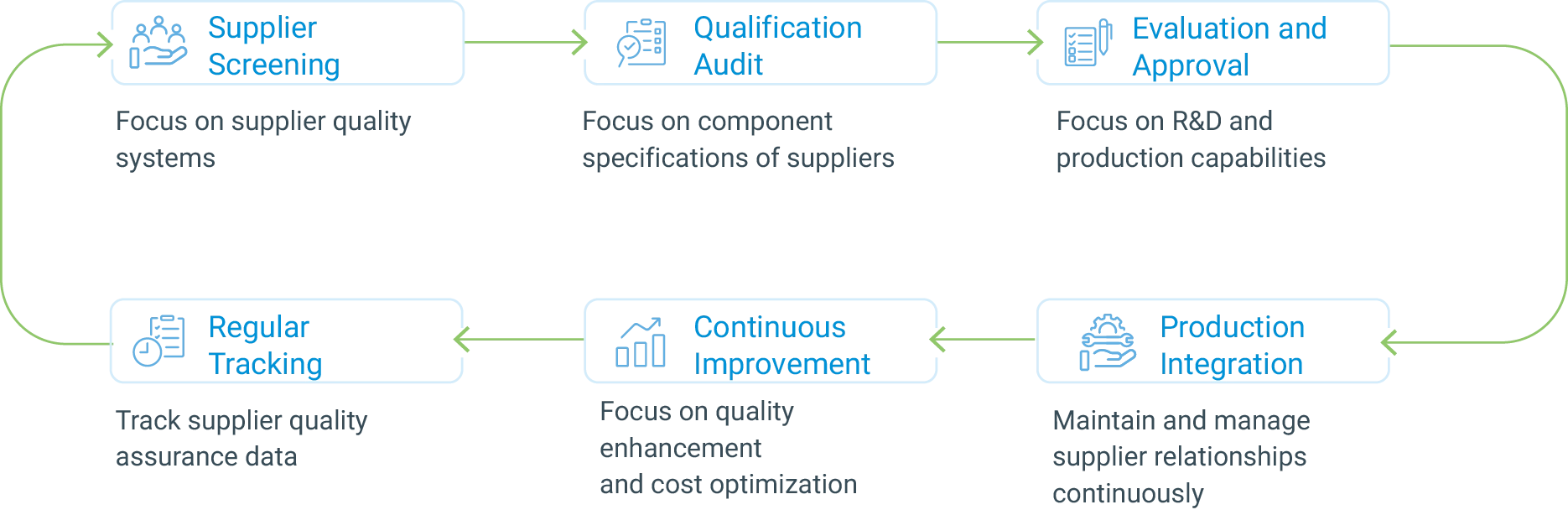
Phihong prioritizes partners with international certifications during the supplier selection stage, and conducts a comprehensive review according to internal regulations before official introduction. This evaluation includes regulatory compliance, supply capability, product quality, technical ability, financial status, and corporate social responsibility management performance, to reduce supply interruptions and operational risks. The scope and depth of the assessment are adjusted based on the complexity of the procurement item, whether it involves products, materials, services, or technology. Key assessment criteria include human resources, equipment capability, manufacturing and design development capability, as well as overall execution performance in areas such as project management, change control, logistics, and customer service.
In terms of sustainability entry requirements, Phihong incorporates ESG as a core criterion in the selection and audit of suppliers. All new suppliers are required to complete the signing of the “Supplier Code of Conduct,” “Integrity Commitment Letter,” “Conflict Minerals Survey,” “Environmental and Social Responsibility Commitment Letter,” and “Confidentiality Agreement” before cooperation begins. They must also adhere to the five aspects covered by the Responsible Business Alliance (RBA): labor, health and safety, environmental protection, business ethics, and management systems. In 2025, the signing rate of the Supplier Code of Conduct by new suppliers reached 100%, demonstrating the full implementation of the supplier admission system.
Phihong requires suppliers to perform independent product inspections and provide comprehensive inspection reports. Additionally, suppliers are also required to sign the RoHS Restricted Substances Commitment Letter and the EU REACH SVHC ( Substances of Very High Concern) Declaration to ensure the safety and regulatory compliance of raw materials at the source. For new suppliers, Phihong also implements a 100% pre-screening mechanism for environmental and social standards.
Those assessed as having high risk concerns are not approved for engagement.
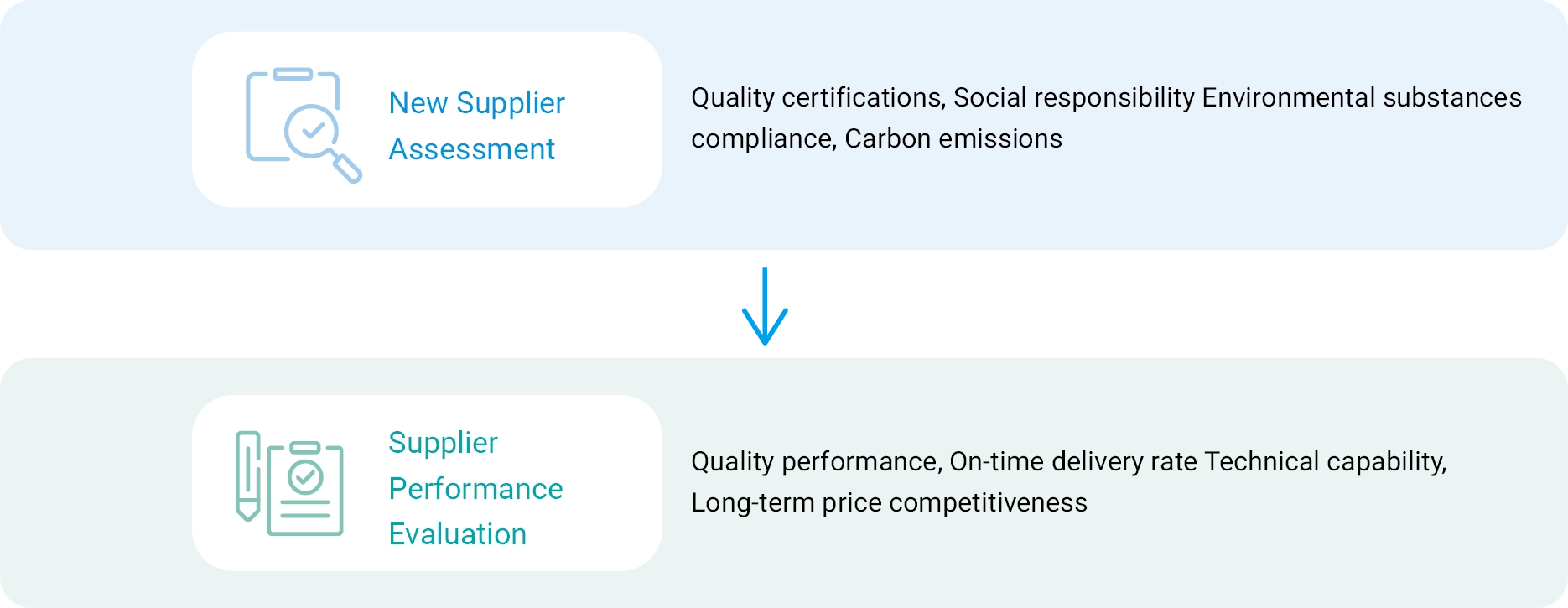
To continuously strengthen supplier management effectiveness, Phihong has established a regular evaluation and performance review mechanism. Every six months, a comprehensive evaluation is conducted for core suppliers, covering operational risk management, environmental protection, labor and human rights, occupational health and safety, quality performance, delivery commitment, technical capability, and collaboration. The results serve as important references for subsequent procurement decisions, partner selection, and resource allocation.
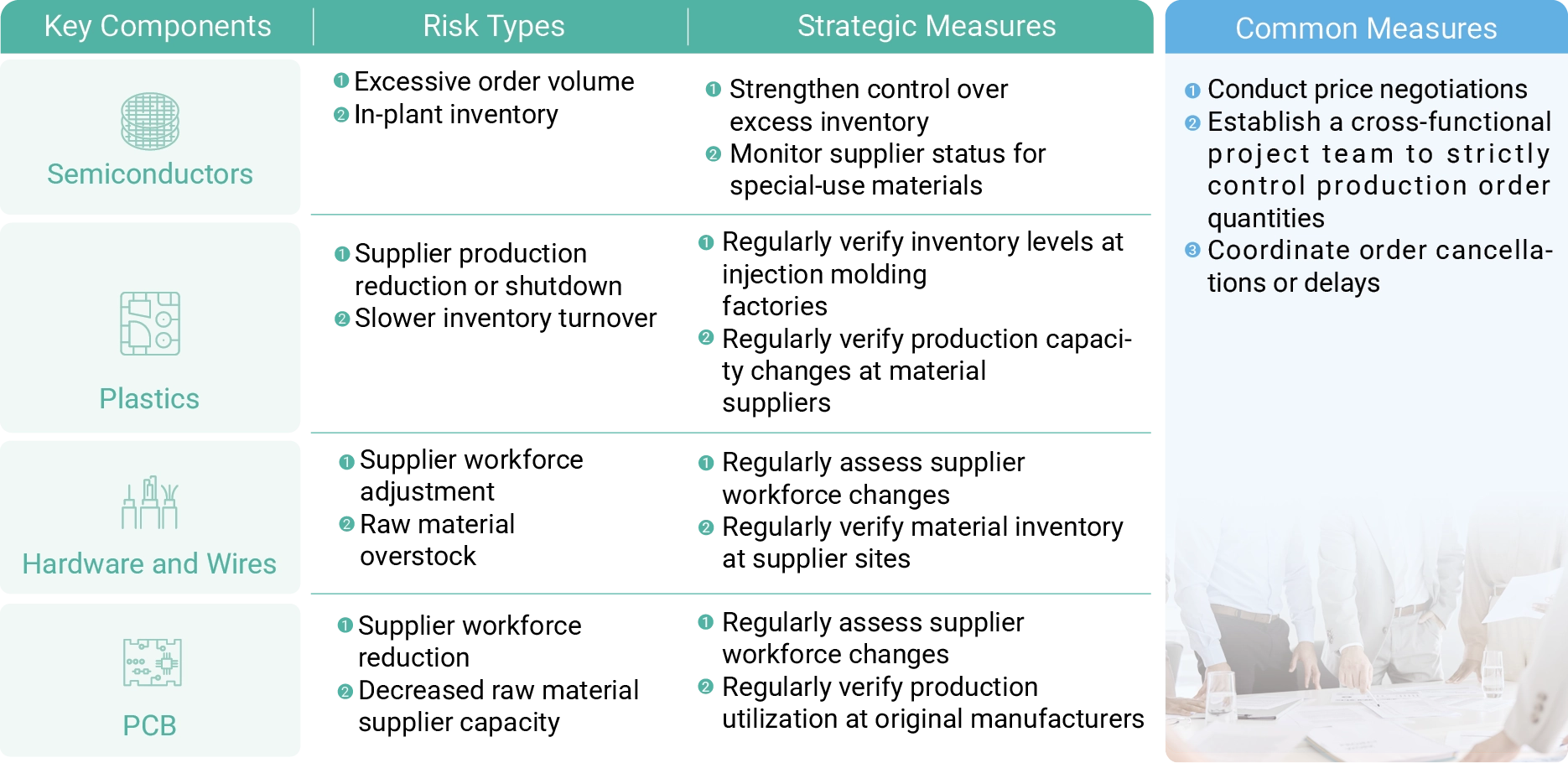
In addition to performance evaluations, Phihong also conducts risk identification and tiered management for key materials, critical equipment, and important suppliers through supplier selfassessments, questionnaire collection, and internal review mechanisms. For materials or suppliers identified as high risk, in addition to increasing the safety stock levels, an early warning system is established to continuously monitor inventory and supply changes. At the same time, supply contracts include force majeure clauses, substitute material specifications, and emergency procurement procedures to enhance supply chain response capabilities and operational resilience.
Phihong employs a proactive risk management mechanism for key material and equipment suppliers. Through supplier self-assessment questionnaires and internal reviews, potential supply risks are identified and tiered control measures are implemented. For high risk materials, increase the safety stock levels and establish an early warning monitoring system to ensure supply stability.
At the same time, supply contracts include force majeure clauses, substitute materials, and emergency procurement mechanisms to strengthen response capabilities; and by coordinating flexible sales terms with customers, reduce the risk of delivery delays. Overall, Phihong continues to strengthen supply chain resilience and operational stability.
Phihong manages supply chain sustainability risks in a systematic manner, continually enhancing supply chain governance effectiveness through measures such as ESG audits and guidance, sustainability performance evaluation, local procurement management, environmental performance promotion, and education and training. The management focuses include: prioritizing audit coverage and corrective action for key and high-risk suppliers, monitoring supplier structure and the proportion of local procurement, promoting packaging material reduction and recycling, and enhancing suppliers’ capacity building in aspects such as greenhouse gas inventory,
product carbon footprint, and RBA guidelines.
In terms of Conflict Minerals Management, Phihong follows the spirit of the RBA and OECD Due Diligence by publicly disclosing the “Conflict Minerals Management Policy” on the supplier communication platform. New suppliers are required to sign the “Conflict Minerals Commitment Letter” before obtaining qualification. Both new and existing suppliers must submit a “Conflict Minerals Survey” whenever there is a change in smelter usage. The Company conducts a 100% review to verify that all mineral sources come from RBA-certified compliant
smelters. If non-compliance is identified during the review, suppliers must immediately remove and cease using the relevant smelters to reduce conflict-mineral and human-rights risks.
In terms of Integrity Management, Phihong clearly specifies anti corruption and anti-bribery policies for procurement personnel and suppliers to reduce the risks of inappropriate gifts and quid pro quo in the procurement process. In the 2025, there are a total of 180 core suppliers, of which 90% have signed the “Integrity Commitment Letter,” continuously strengthening the foundation of integrity management and governance in the supply chain.
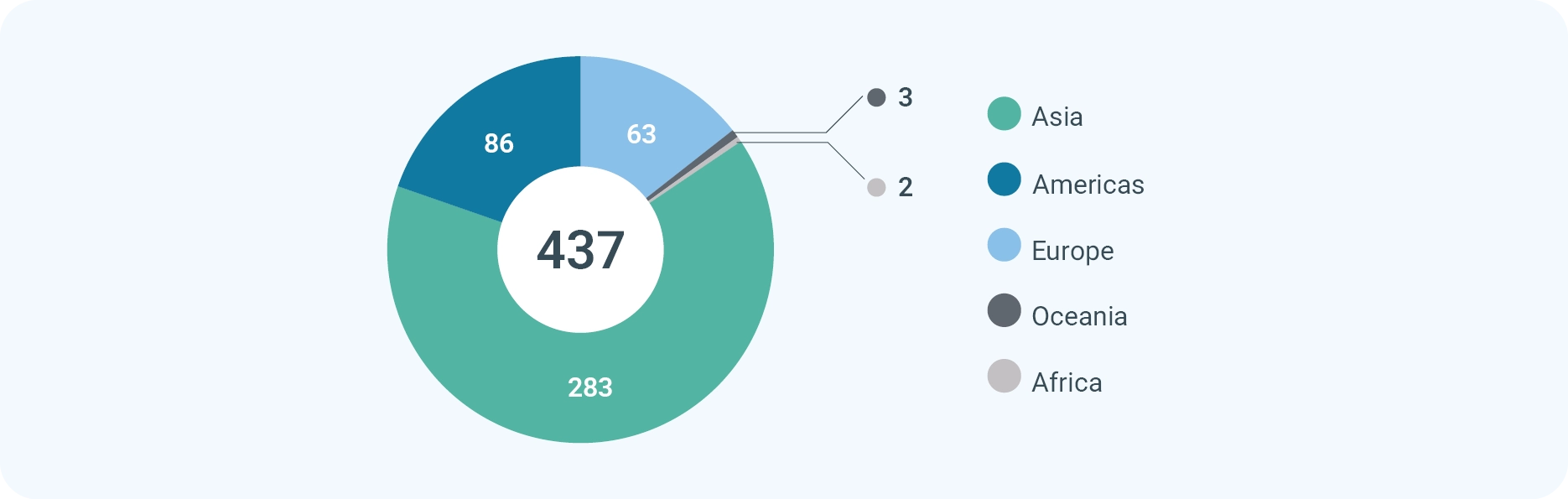
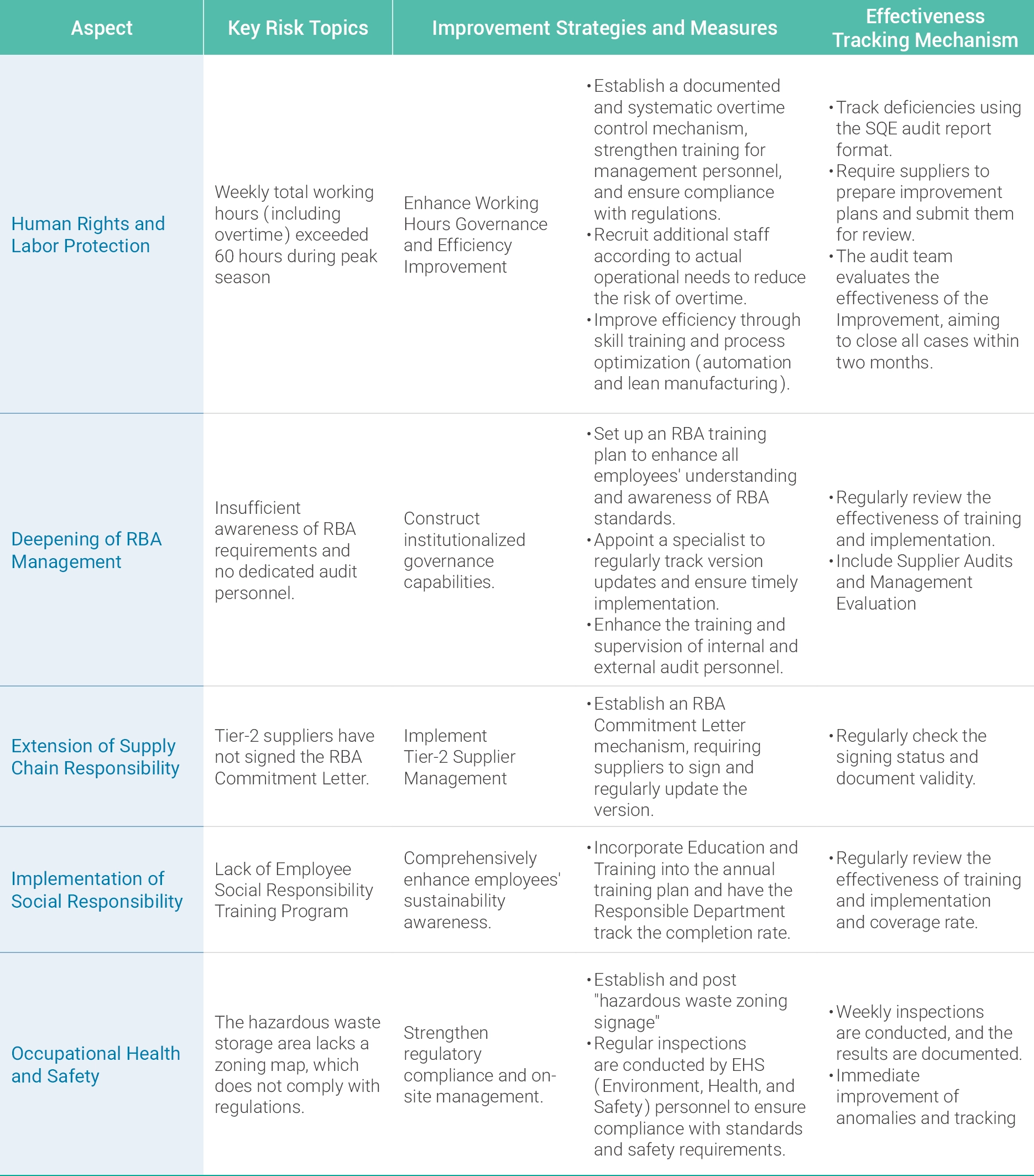
Phihong Technology Co., Ltd. integrates the SQM, Technology, and Procurement teams to implement real-time management of “actual site, actual situation, and actual condition.” Through audits and a closed-loop improvement mechanism, it comprehensively enhances quality, environment, health and safety, and social responsibility.
In 2025, through institutionalized reviews, Phihong ensured supplier management maturity meets international standards.
- Result of Phihong’s New Supplier Quality System Audit (QSA): Conducted 28 times, 21 were qualified, achieving a pass rate of 75%.
- Qualified Supplier Audits (QPA): Conducted 101 times, covering HSF, annual audits, and process guidance.

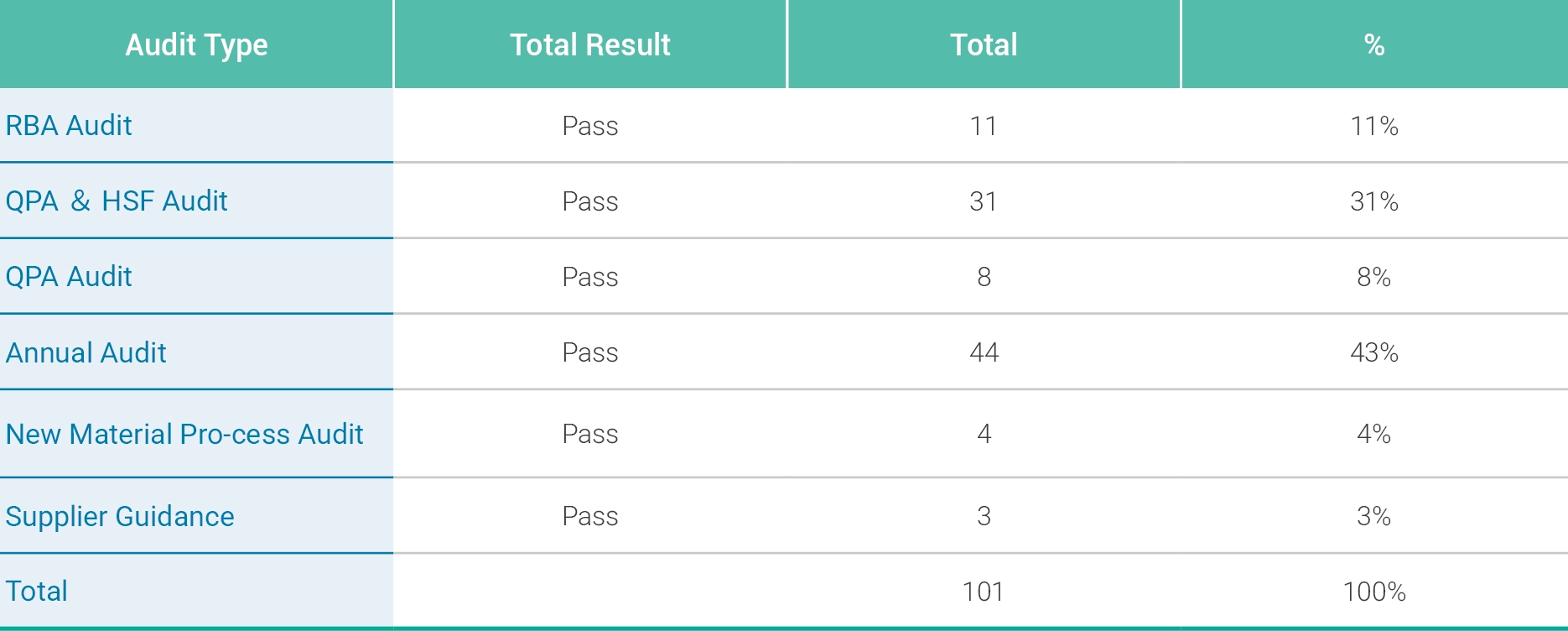
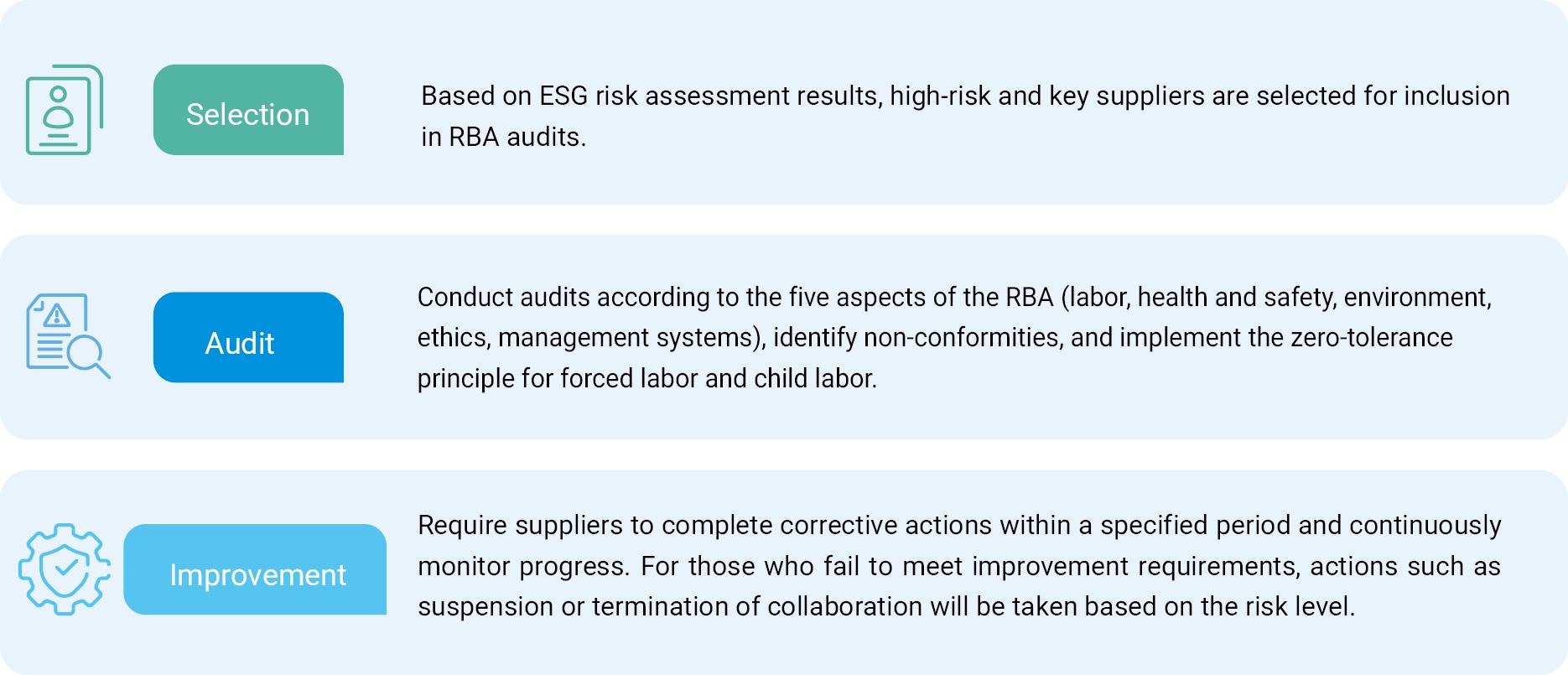
Conduct on-site RBA audits for key ESG suppliers, with 11 completed in 2025. The scope covers labor, environment, health and safety, business ethics, and management systems.
- Compliance Achievement: None of the evaluated suppliers exhibited significant violations such as Forced Labor or child labor, nor were there any significant negative environmental impacts.
- Improvement Tracking: Establish a closed-loop mechanism for deficiencies related to work hours, RBA training, and Waste Management, requiring closure within 2 months to ensure timely risk correction.
Phihong is committed to enhancing partners’ sustainability capabilities through digital training and multidimensional management, aiming to establish a highly resilient and responsible supply chain:
- ESG digital training: Promote courses covering five major topics, including sustainable strategy, RBA guidelines, conflict minerals, and green management. In 2025, a total of 75 key suppliers completed training and testing, establishing a common language within the supply chain.
- Comprehensive Resilience Mechanism: Integrating admission audits, risk grading, audit guidance, Integrity Management and Governance, and material control to fully implement responsible procurement and Sustainable Governance.
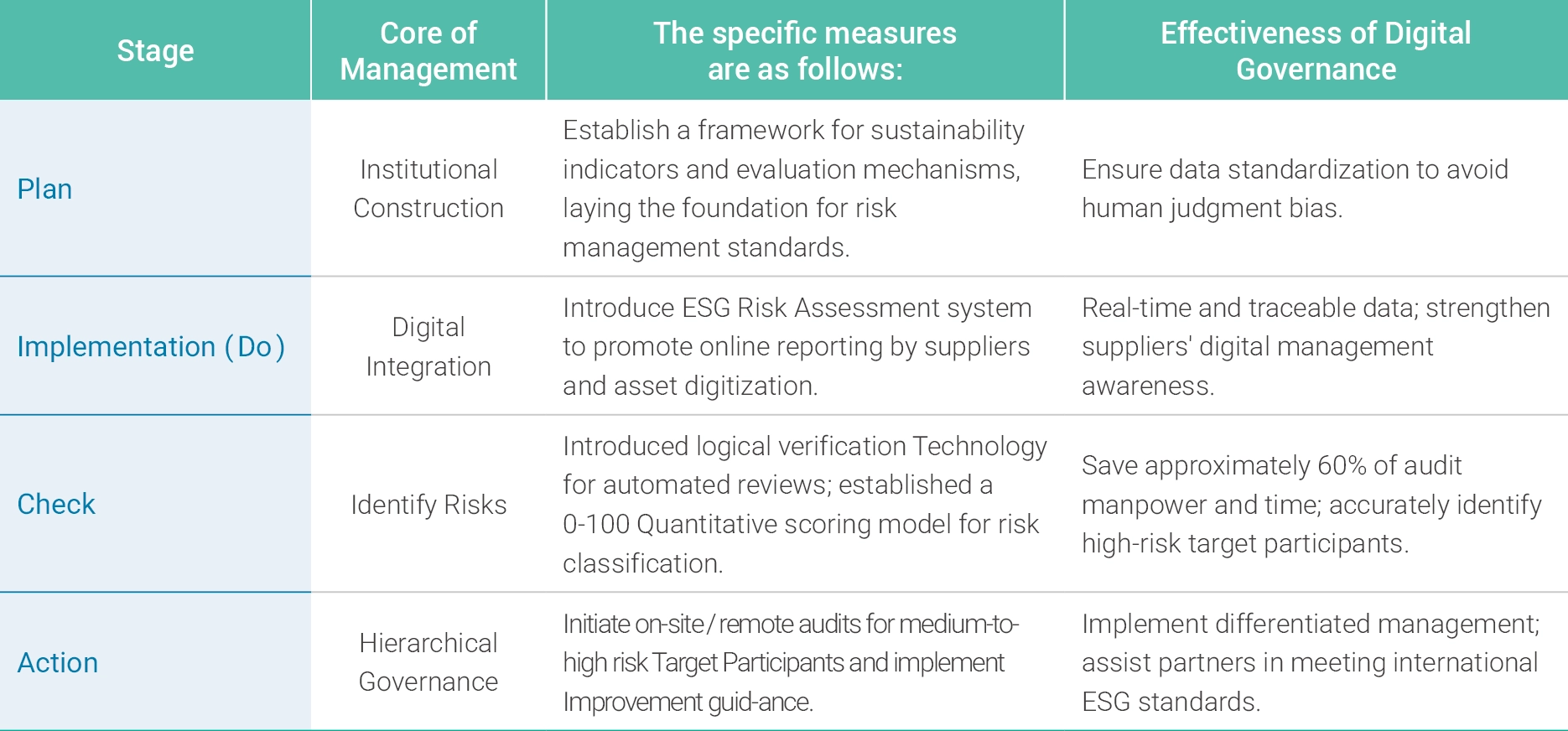
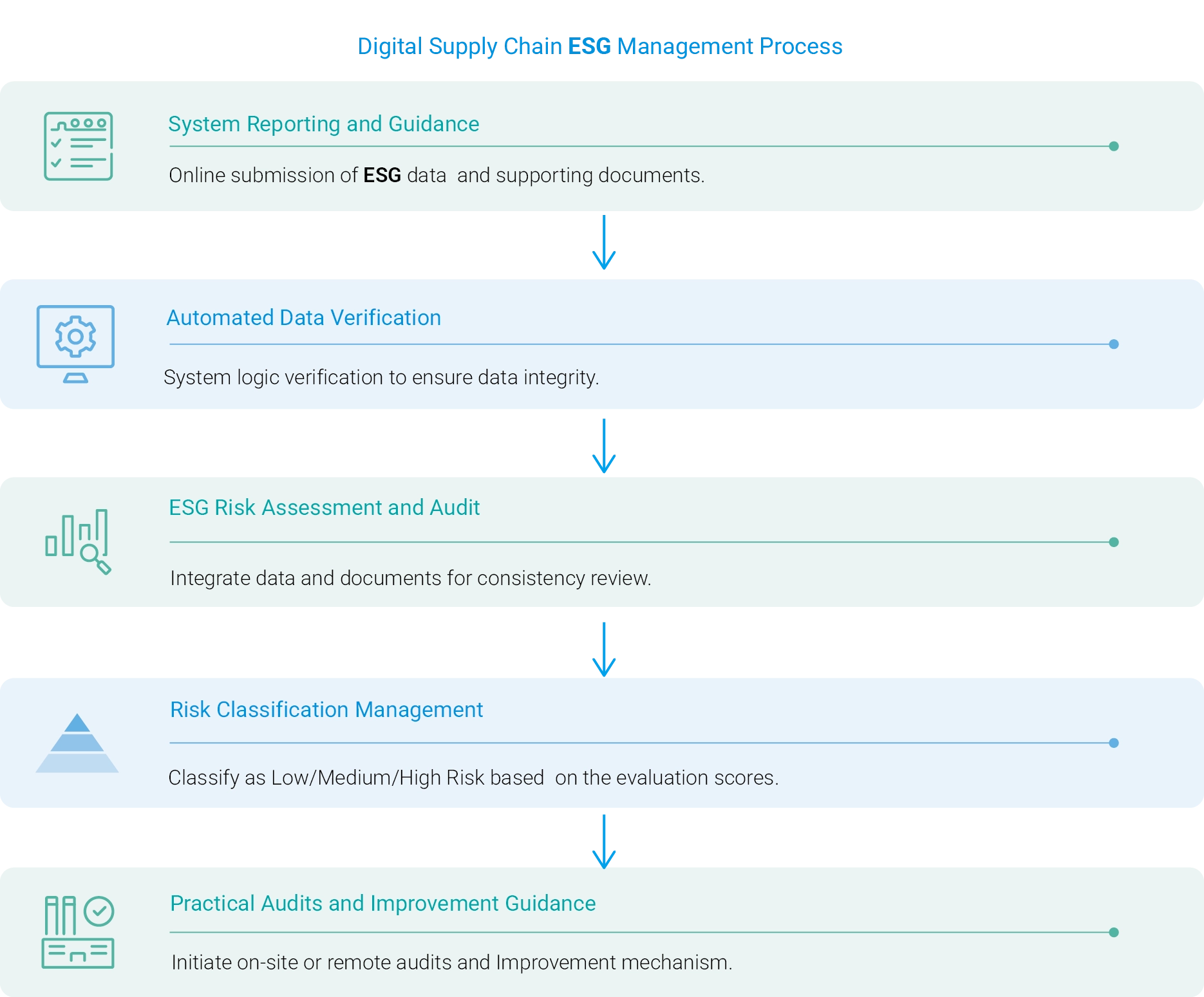
Phihong has introduced a PDCA digital governance framework, utilizing data-driven and automated audits to comprehensively enhance
supply chain resilience. The system effectively reduces audit manpower and time by 60%, achieving efficient and precise sustainable
management.
- Plan: Establish standardized sustainability indicators and risk assessment mechanisms.
- Implementation (Do): Introduced an ESG digital system to promote online reporting by suppliers and automated verification.
- Check: Using a 0–100 Quantitative Model for Risk Classification: Low Risk (80–100), Medium Risk (60–79), High Risk ( 59 or below ).
- Action: Initiate on-site / remote audits for medium-to-high risk Target Participants and implement Improvement guidance.
- Efficiency Improvement: Automating logic checks replaces manual reviews, significantly reducing operational costs and human errors.
- Data Asset: Accumulate a standardized ESG database to strengthen supply chain risk forecasting capabilities.
- Precise Governance: Allocate management resources according to risk levels to ensure supply partners meet international ESG standards.
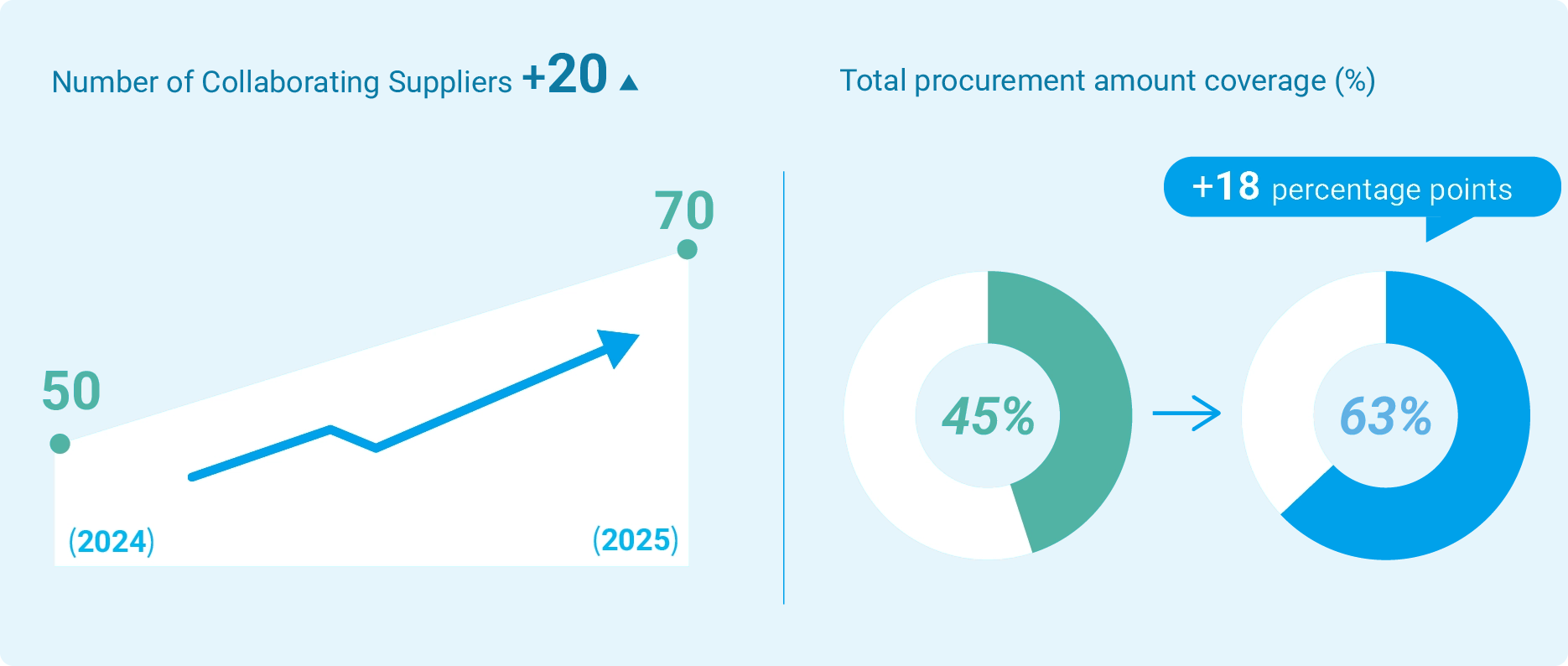
Phihong continued to deepen its supply chain carbon management mechanisms with a focus on “data transparency” and “supplier capacity building” in 2025. Through systematic implementation project guidance, assist suppliers in establishing Greenhouse Gas Inventory capabilities, enhancing the integrity, consistency, and comparability of carbon data, and gradually improving the overall maturity of supply chain carbon management. At the same time, Phihong is actively promoting lowcarbon transformation, strengthening the carbon reduction collaboration mechanism with suppliers. This shifts carbon management from isolated demands to a systematic approach, laying a solid foundation for achieving future Scope 3 reduction targets. The related achievements are shown in the image on the right.
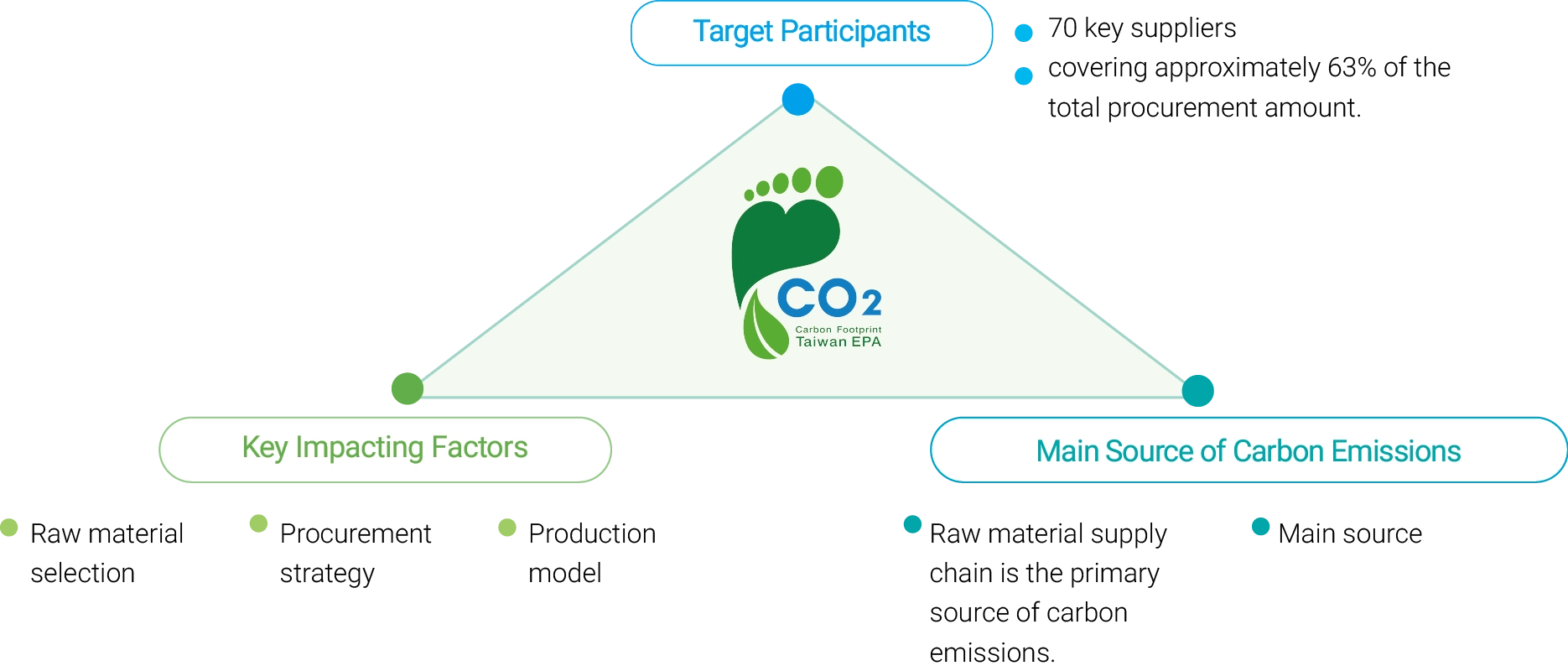
In 2025, the scope of supply chain assessment continuously expanded.The collaborating suppliers increased from 50 to 70, with the procurement amount coverage rate rising from 45% to 63%. As the scope of data collection expands, the company can more comprehensively grasp supply chain environmental data, serving as an important basis for establishing carbon baselines and assessing environmental risks, thereby further strengthening the foundation for sustainable decision-making.
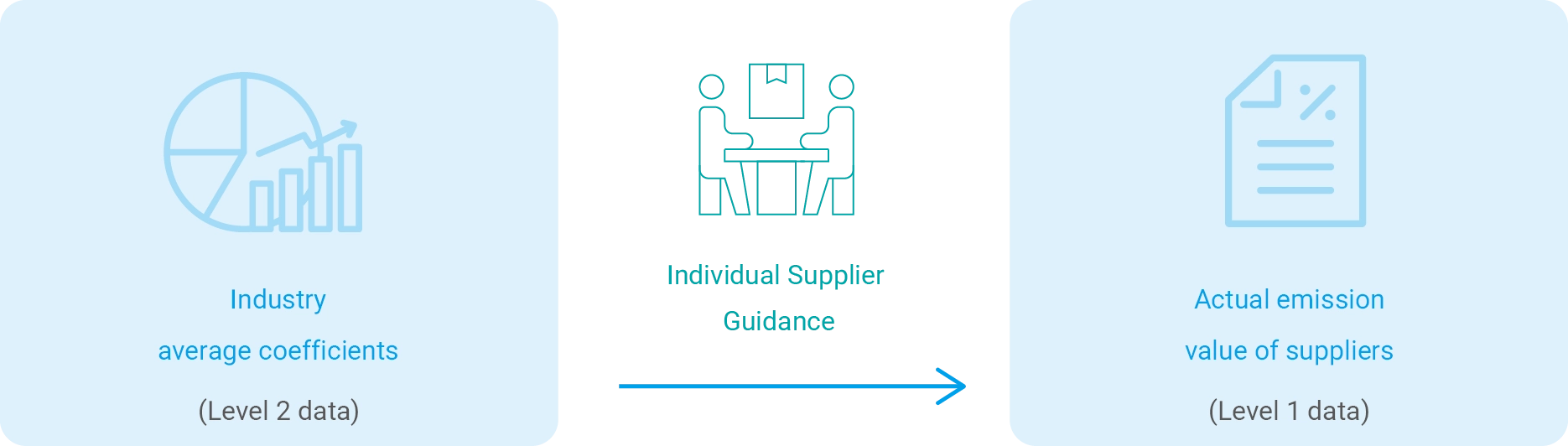
To enhance data credibility, Phihong actively promotes the adoption of Level 1 data by key suppliers. Through phased guidance and clear directives, support suppliers in reporting actual operational emissions information, gradually reducing reliance on industry average coefficients (Level 2 data ). Overall, the willingness and completeness of suppliers in reporting Level 1 data have significantly improved, and the quality of data continues to be optimized.
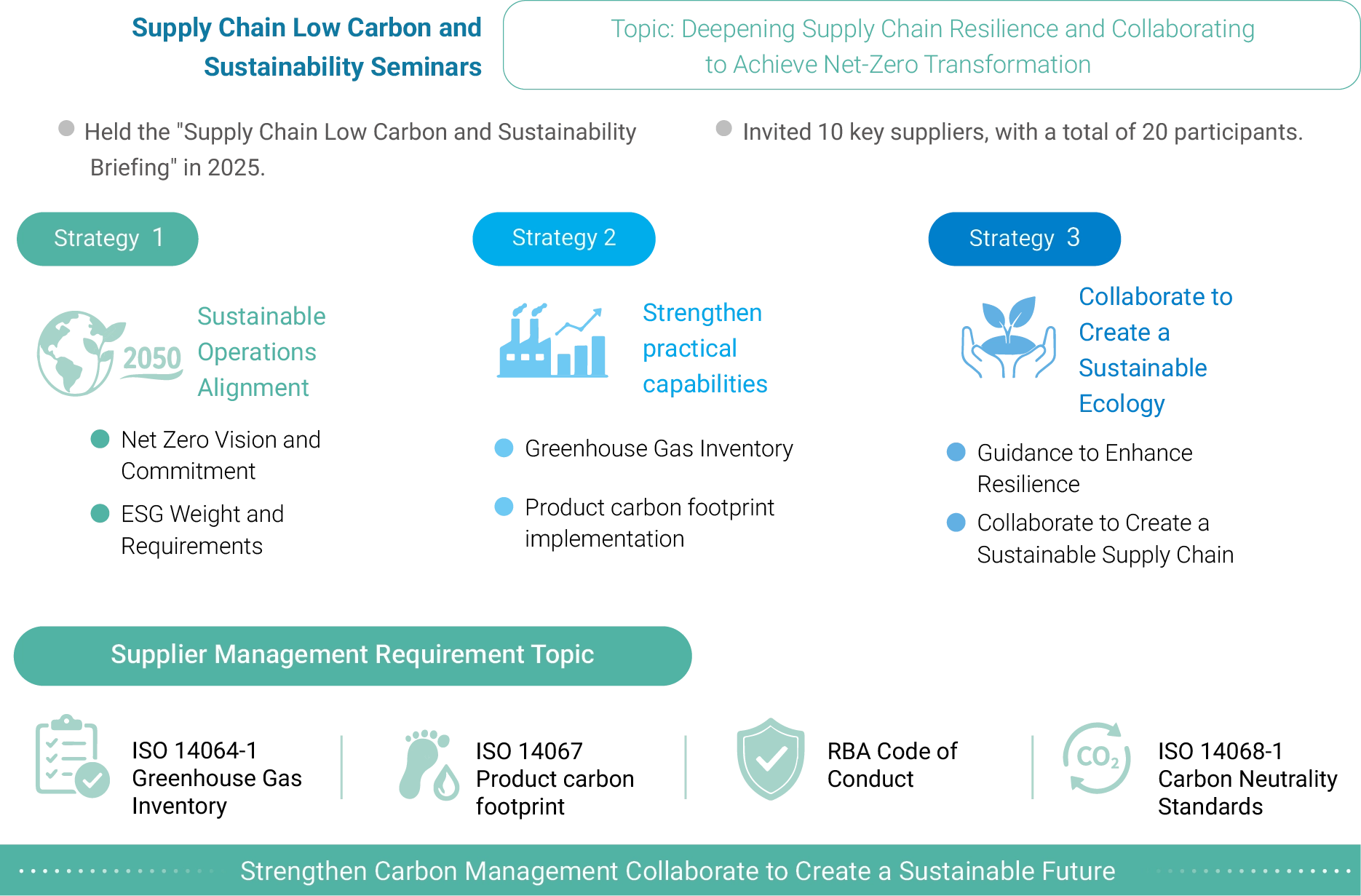
Phihong regards suppliers as key partners in achieving the 2050 net-zero emissions target. Through a collaborative model in which large enterprises support smaller ones, Phihong assists partners in internalizing sustainability concepts as business advantages to build a competitive low-carbon ecosystem.
In 2025, Phihong successfully held the “Supply Chain Low Carbon and Sustainability Seminar,” inviting 10 key suppliers to participate deeply, achieving significant results from strategy alignment to practical application:
- Certification Alignment for Carbon Management: Successfully encouraged suppliers to plan the adoption of ISO 14064-1 ( Organizational Carbon Inventory ) and ISO 14067 (Product Carbon Footprint ) certifications.
- Practical Capability Enhancement: Provide professional guidance to assist partners in defining inventory boundaries and accurately calculating the product carbon footprint. This significantly enhances employees’ professional understanding of RBA standards and international carbon standards.
- Co-create a green energy ecosystem: Assist companies in identifying major energy consuming equipment, applying energy-saving equipment, and promoting the adoption of solar power. In the future, the Company will continue to guide partners in planning ISO 14068-1 carbon reduction pathways to steadily move towards a low-carbon transformation.
Phihong reduces operational risks and implements a green supply chain by strengthening its “Local Procurement” strategy. The specific benefits include:
- Carbon Reduction in Logistics: Prioritize selecting suppliers near production sites, with newly introduced mechanical and electronic components based on the principle of being within a “2- hour drive from the plant,” significantly shortening transportation distances and reducing carbon emissions from logistics.
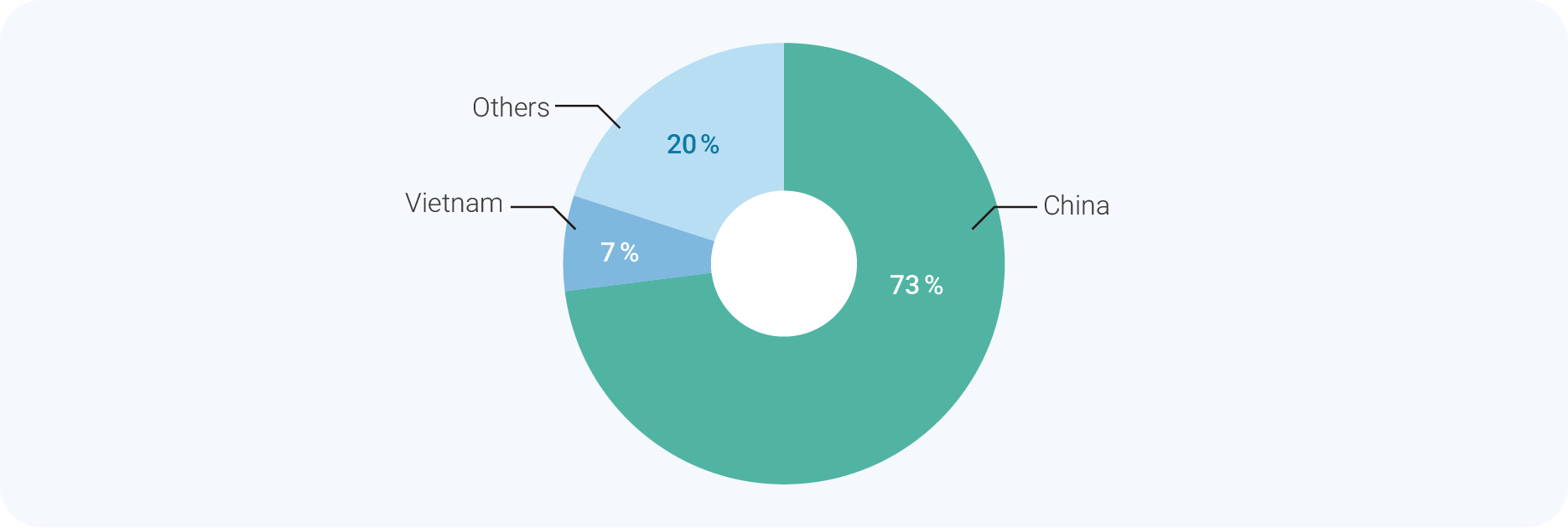
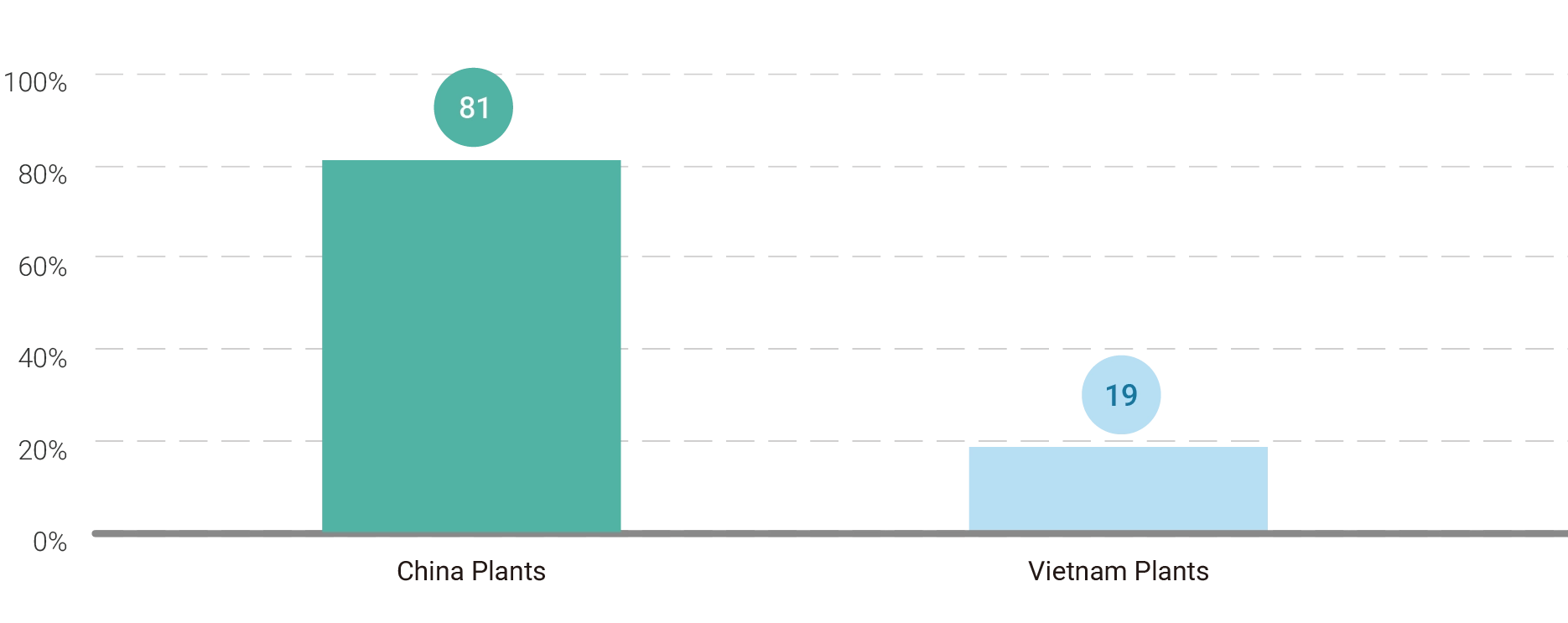
- Performance and Deployment: In 2025, the local procurement proportion in China is the highest; meanwhile, the Vietnam plants actively promote the introduction of locally sourced components, continuously increasing the procurement rate while also promoting local employment.
- Maximize Economic Benefits: If overseas procurement is necessary, optimizing delivery schedule planning and consolidating shipments effectively reduces procurement and supplier costs, achieving a win-win target for environmental protection and economic benefits.
Phihong is committed to building a green supply chain by implementing strict substance monitoring and resource recycling mechanisms, ensuring that products meet environmental sustainability standards from raw material sourcing to packaging and transportation.
We have established a real-time regulation detection mechanism to ensure that products fully comply with international environmental guidelines:
- Regulation Benchmarking: Closely monitor the latest standards such as RoHS 2.0, REACH SVHC, Halogen-Free, and SONY SS 00259, and simultaneously update internal control documents.
- Information transparency: The latest control standards are instantly published through the supplier communication platform, and prominent reminders are set in the environmental documentation system to ensure suppliers are informed about prohibited and restricted substances updates.
Rigorous approval process: During the material approval stage, suppliers must upload valid thirdparty test reports (such as SGS/ ITS) and environmental guarantees to ensure 100% compliance with regulatory requirements.
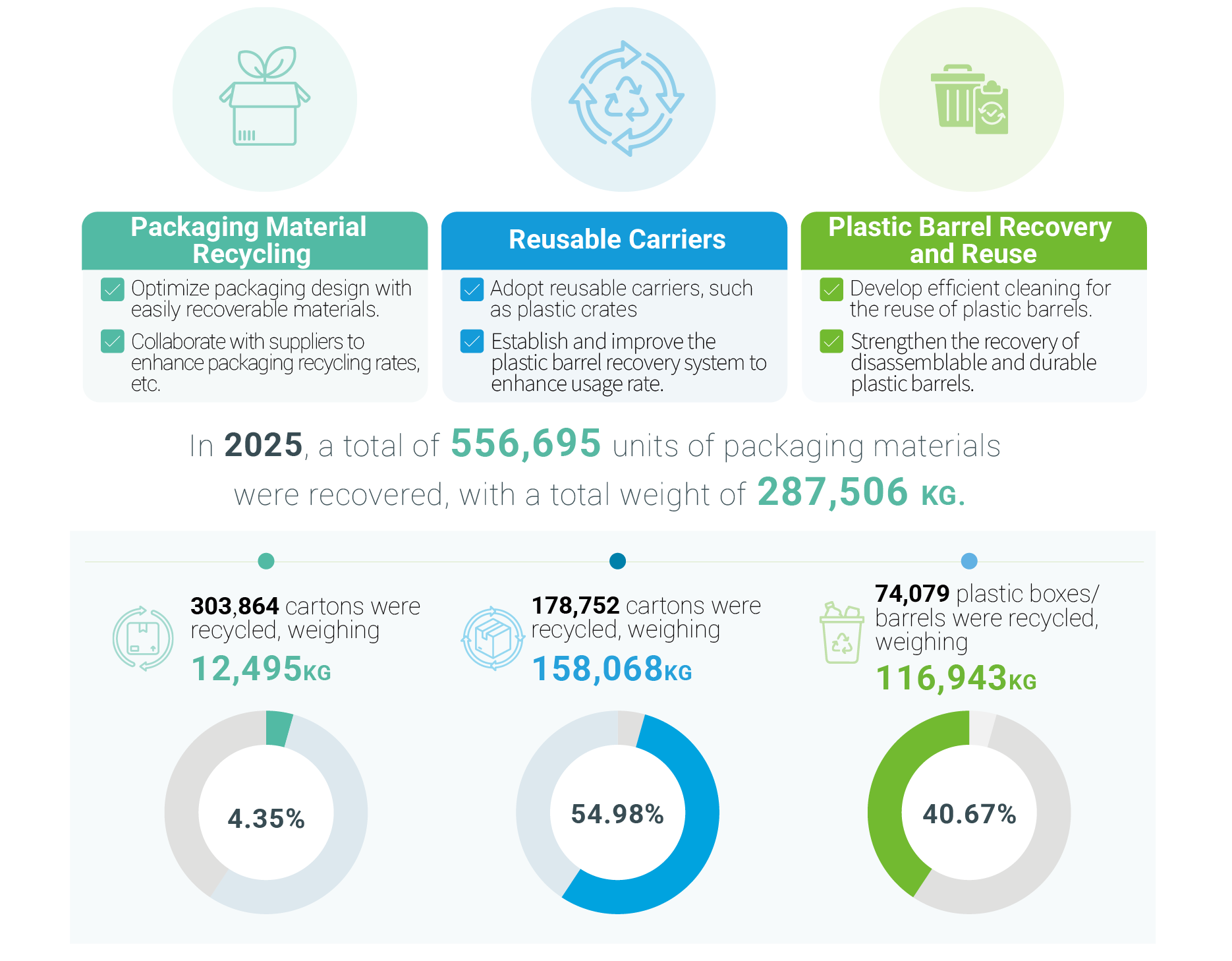
Phihong collaborates with suppliers to implement “source reduction, recycling, and reuse” in logistics and packaging processes:
- Packaging optimization: Promote the strategy of transitioning from small to large packaging, significantly reducing the consumption of packaging materials. Prioritize the use of eco friendly materials in the design phase and adhere to the principle of streamlined packaging.
- Circular System: Focus on the implementation of Recycling & Reuse of blister trays, cartons, and plastic barrels. By monitoring the monthly recycling rate and target achievement rate, we conduct root cause analysis and implement continuous improvement for abnormal items.
- Environmental Benefits: Through a robust recovery mechanism, effectively minimize solid waste generation while reducing packaging material costs, achieving a win-win target for economic value and Environmental Protection.
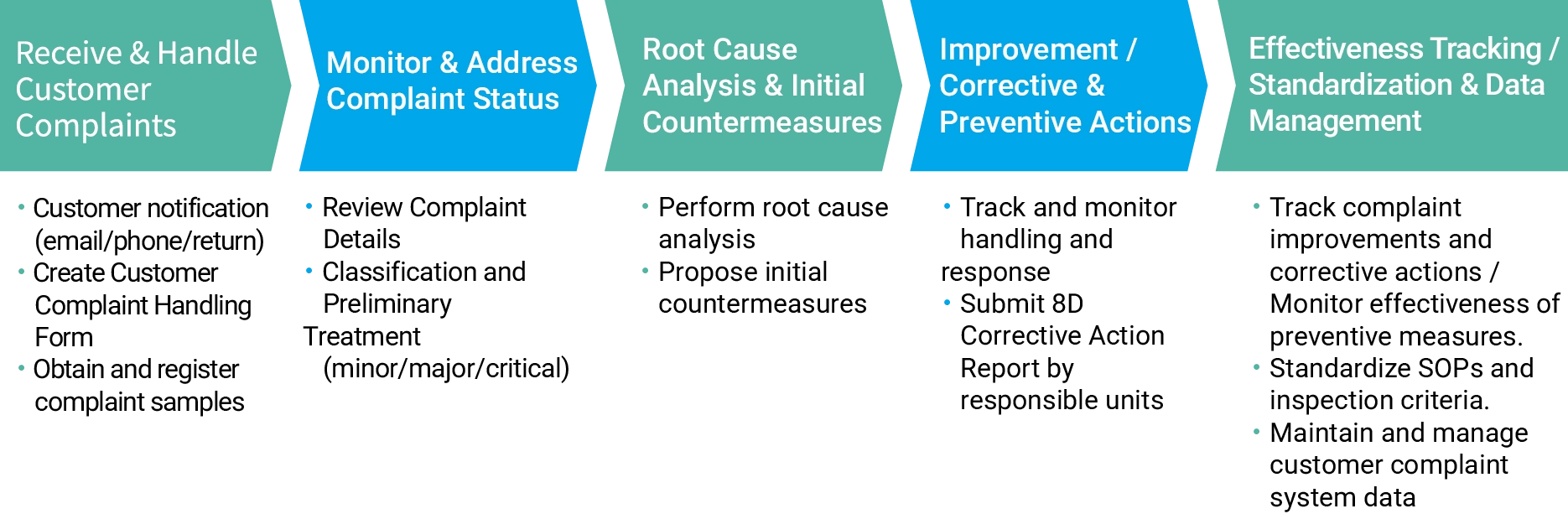
Phihong Technology Co., Ltd. values the Voice of Customers (VOC) and has established a “Customer Feedback Handling Procedure” to ensure that feedback is addressed promptly and appropriately by designated responsible units. A Customer Quality Service (CQS) unit is established, and a cross-functional customer service team comprising personnel from sales, quality assurance, and technical departments provides complaint handling, RMA repair services, and technical support. Through customer visits, factory tours, phone and email communications, international exhibitions, and annual customer satisfaction surveys, we continuously gather customer needs and feedback, which serve as key bases for product and service improvements.
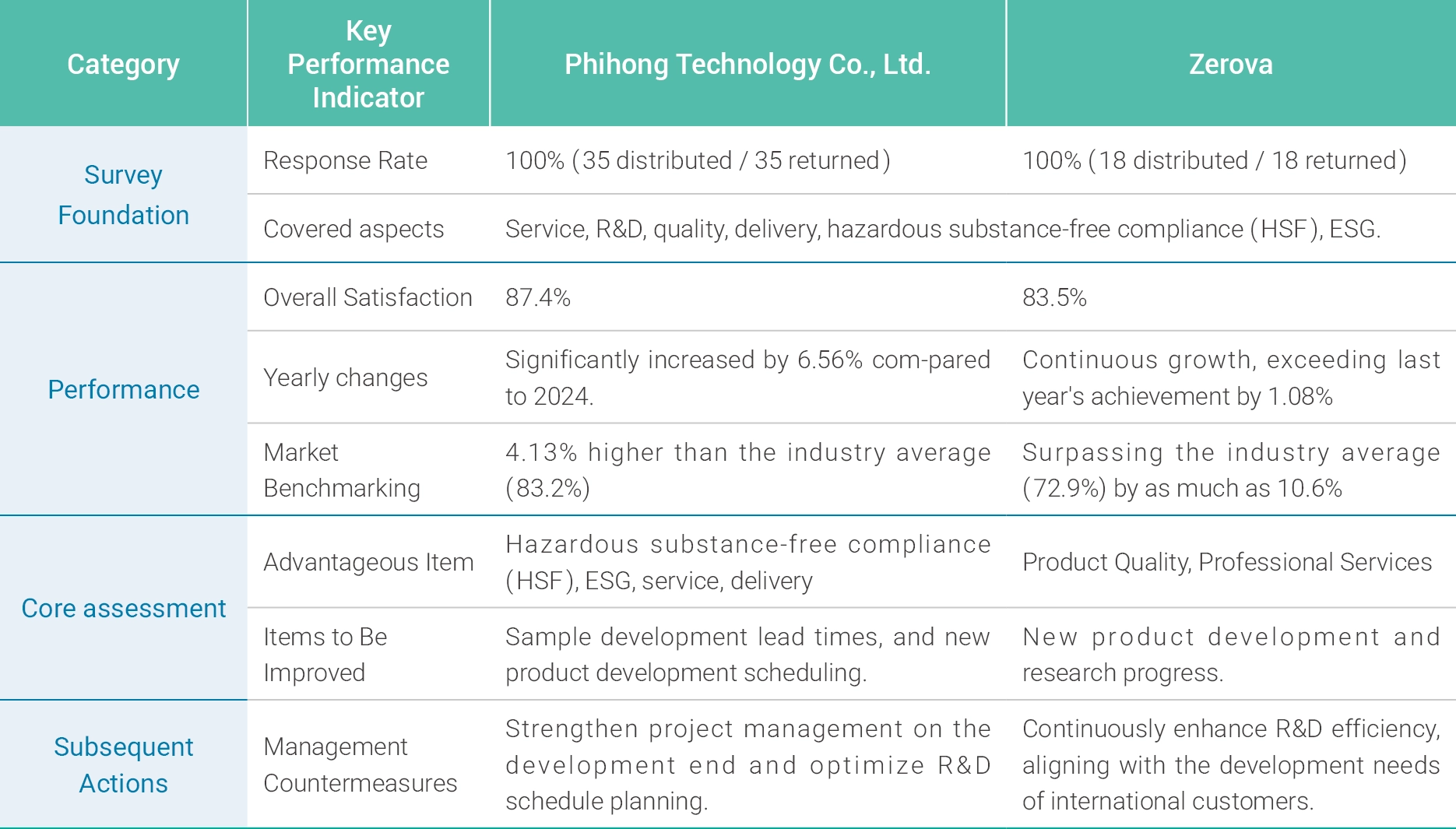
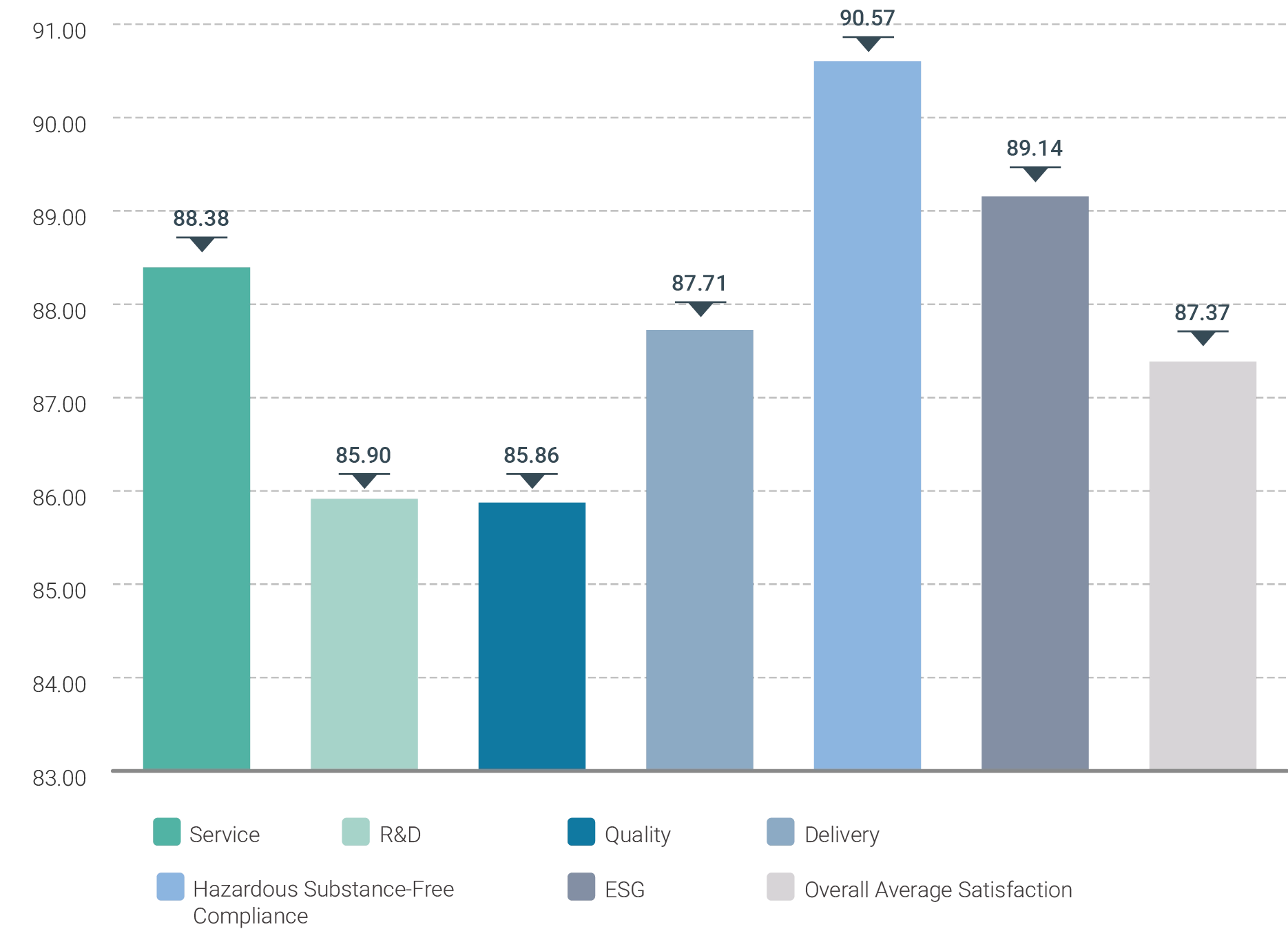
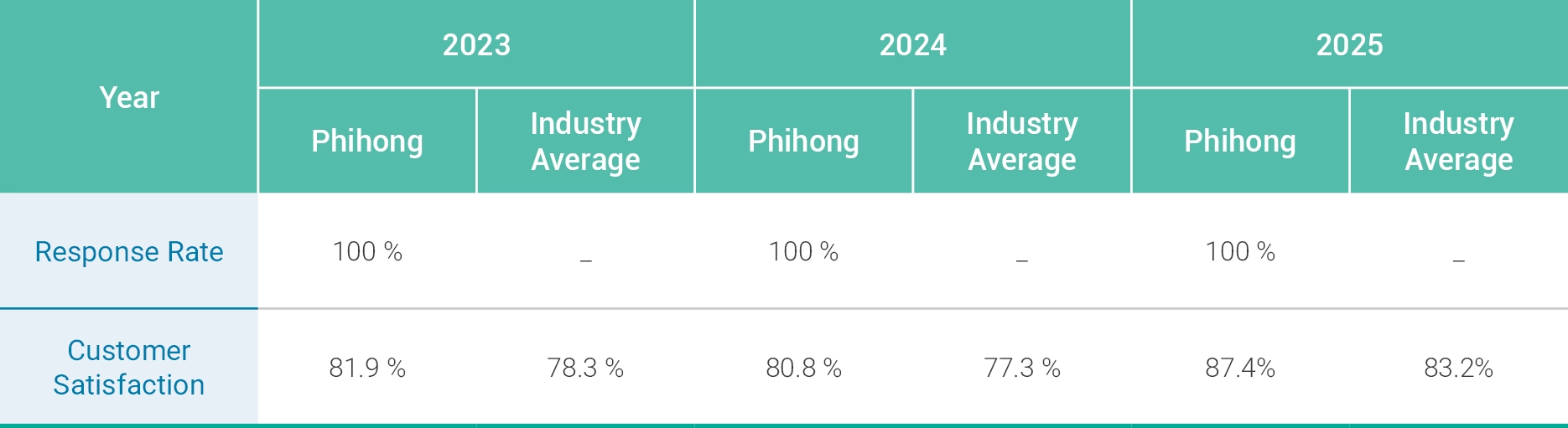
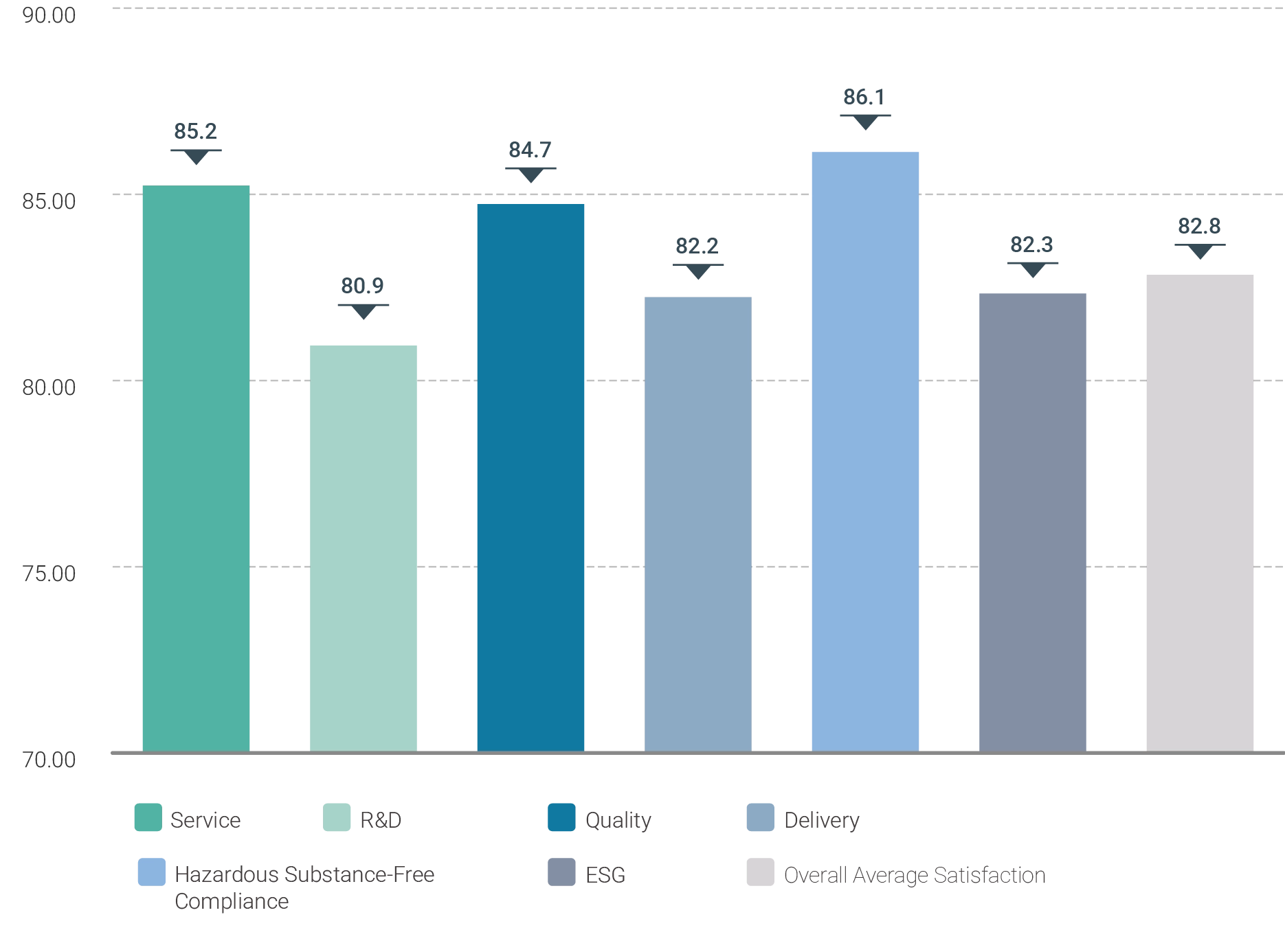
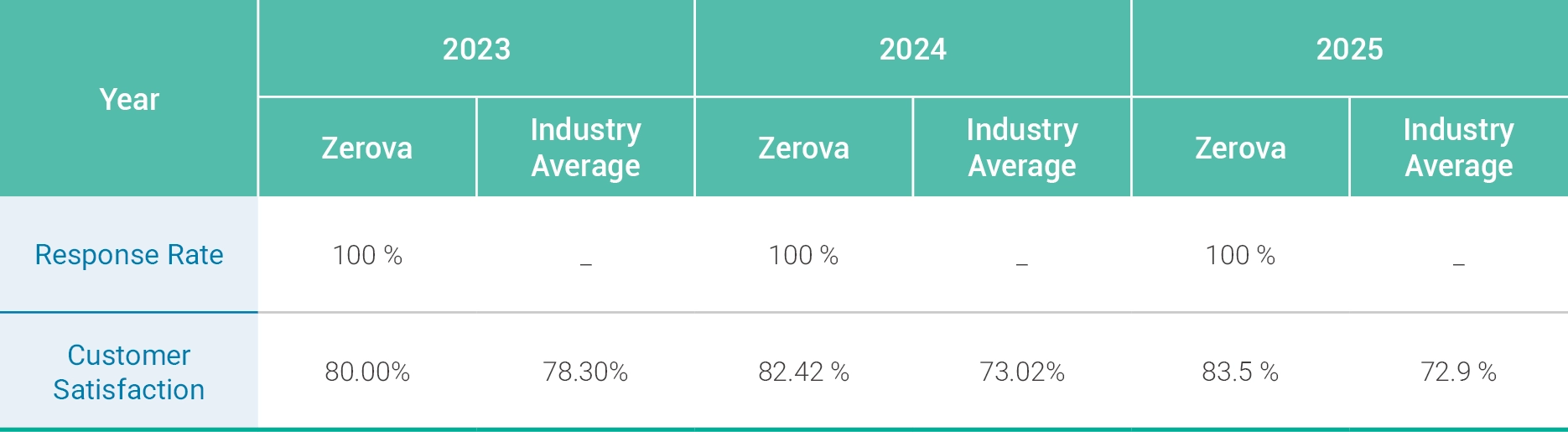
Phihong conducts an annual satisfaction survey targeting core customers, covering six major aspects: service, R&D, quality, delivery, hazardous substance-free compliance (HSF), and ESG, as a core basis for optimizing product design and strengthening market competitiveness.
Satisfaction Evaluation:The 2025 survey results showed that both the parent and subsidiary companies performed better than the industry average. Customers express high recognition and strong trust in Phihong’s Hazardous Substance Management, ESG practices, and professional services.
Improvement and Outlook:In response to customer feedback, emphasis will be placed on strengthening the management of new product development scheduling and sample delivery lead times. By optimizing project processes, organizational agility will be enhanced to accurately respond to market demands and achieve mutually beneficial partnerships.
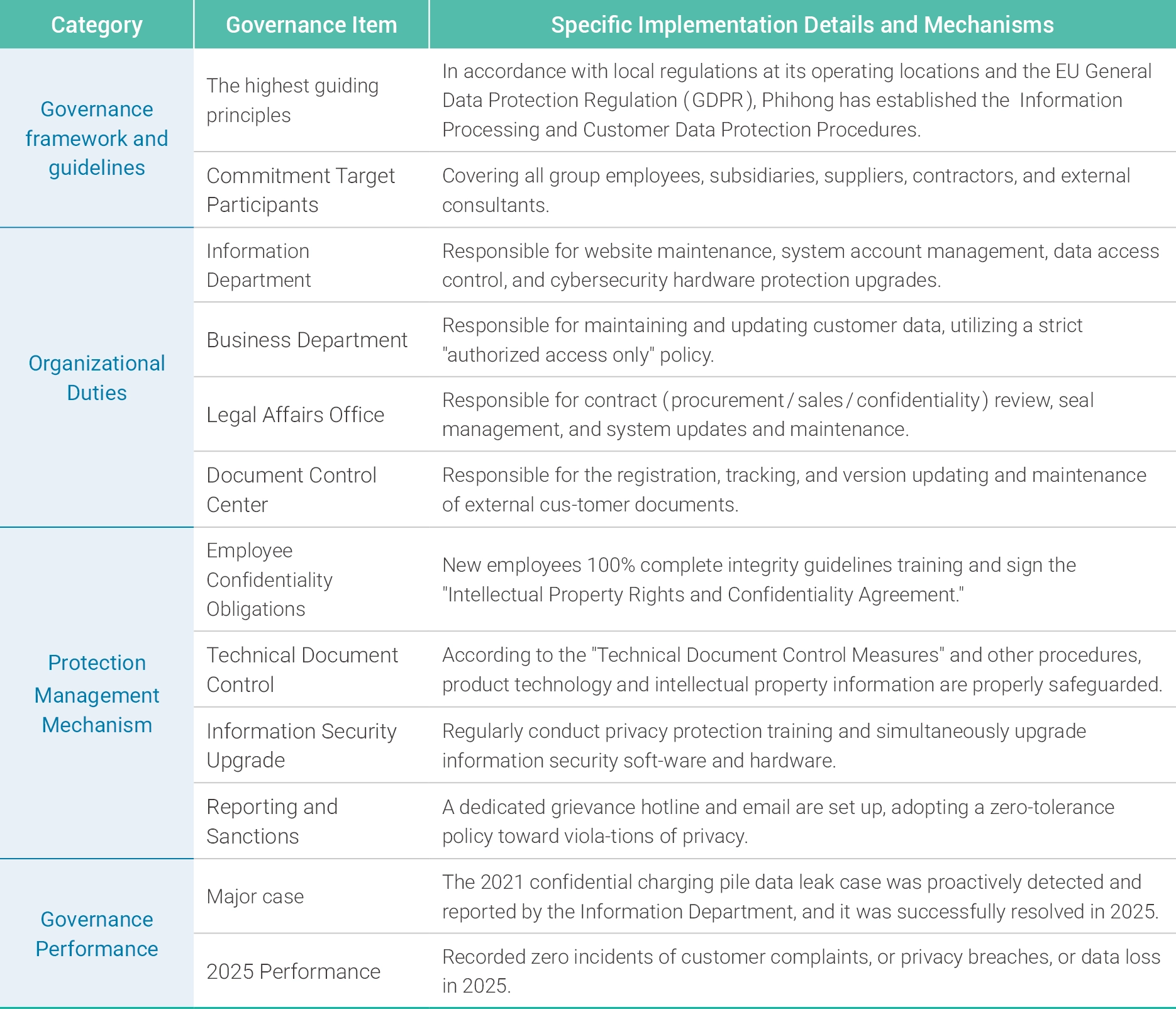
Phihong adheres to the spirit of “Upholding Integrity and Strict Confidentiality” by aligning with regulations such as the EU GDPR and establishing a rigorous privacy protection system. Through cross-department collaboration and digital management, we ensure that customer information, product technology, and intellectual property are fully protected.
- Decentralized Management and Responsibility Mechanism: The Information Department is responsible for system security and access control; Business and Legal Units implement data maintenance and contract review; the Document Control Center is specifically responsible for tracking external documents, building multiple lines of defense.
- Compliance and Confidentiality Obligations for All Employees: All employees ( including contractors ) are required to sign a confidentiality agreement upon joining and regularly undergo IT security training and corporate ethics education. Unauthorized disclosure of information is strictly prohibited.
- Technology Protection and Response System: Continuously upgrade information security hardware and establish proactive detection and reporting channels. Phihong adopts a zero-tolerance policy toward violations of privacy, ensuring the integrity of prevention, audit, and handling mechanisms.