Environment
Phihong deeply recognizes the importance of Earth's resources and sustainable development. The company actively promotes environmental management systems and aligns with global carbon reduction trends. Using 2021 as the baseline year, Phihong aims to achieve a 42% reduction in carbon emissions (Scope 1+2) by 2030, working toward net-zero emissions by 2050.
Climate Action and Biodiversity
In response to the growing challenges of climate change, Phihong officially endorsed the Task Force on Climate-related Financial Disclosures (TCFD) in 2022, aligning its climate strategy with international standards. In 2024, Phihong adopted the frameworks of both TCFD and TNFD for the first time, focusing on four key disclosure areas: governance, strategy, risk and impact management, and metrics and targets. The Company has established a comprehensive process for identifying climate- and nature-related risks and opportunities. Through the quantification of potential financial impacts, Phihong gains clearer insights into how such risks and opportunities may affect its operations and strategic direction. This enables the Company to effectively monitor, manage, and respond to climate-related issues, while also identifying opportunities for innovation and business development. By integrating these practices into its sustainability management framework, Phihong actively advances its transition
toward a low-carbon economy. For detailed information, please refer to Phihong’s 2024 Climate and Nature Biodiversity Report.

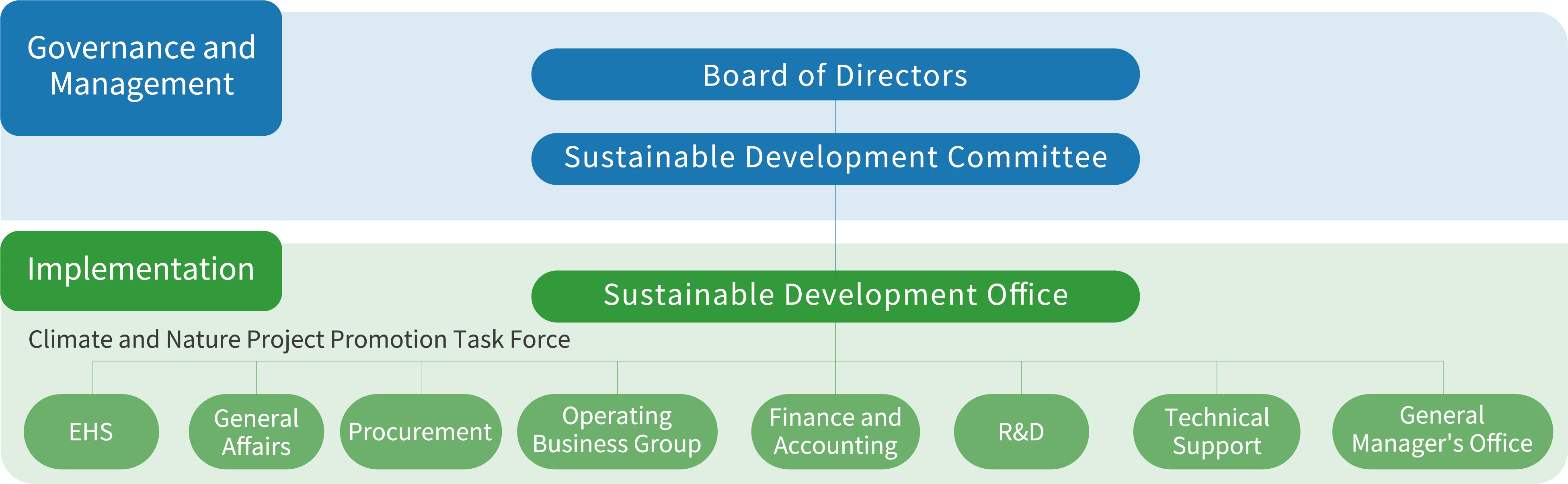
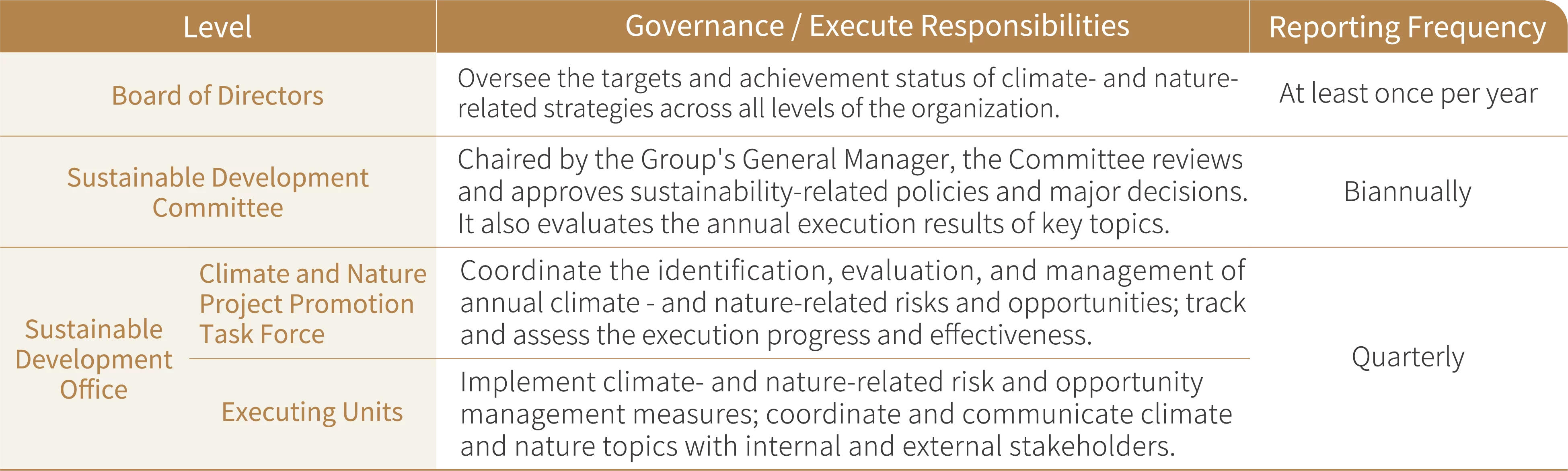
In alignment with the TCFD and TNFD frameworks, Phihong has established a comprehensive climate and nature governance structure to ensure that related risks and opportunities are effectively assigned, managed and integrated into the Company’s operations and decision-making processes. The Board of Directors serves as the highest decision-making body for the Group’s climate and nature governance. Under the Board, a “Sustainable Development Committee” has been established, chaired by the Group’s General Manager, with participation from the Chief Sustainability Officer and senior executives of each business unit. The Committee is responsible for overseeing the execution and progress of climate- and nature-related initiatives and targets across. It also plays an active role in supporting the Board’s review of major decisions by ensuring comprehensive evaluation of potential impacts, dependencies, risks, and opportunities related to climate and nature topics. The Committee emphasizes the importance of incorporating stakeholder perspectives to ensures that decision-making appropriately balances sustainability goals with business needs.
At the management and execution level, the “Sustainability Development Office” is led by the Chief Sustainability Officer, serves as the Group’s core unit dedicated to ESG affairs. The Office is also responsible for convening the “Climate and Nature Project Promotion Task Force.” The task force coordinates the annual processes for identifying, evaluating, and managing climate and nature-related risks and opportunities. It assists the Board of Directors and the Sustainable Development Committee in gaining a comprehensive understanding of potential risks and opportunities, ensuring effective monitoring of operational risks, and providing concrete improvement recommendations. Each participating department evaluates the probability and potential impact of identified risks and opportunities within the scope of its responsibilities. These evaluations feed into a structured risk and opportunity management mechanism, through which necessary response strategies are developed and implemented. The Chief Sustainability Officer reports quarterly to the Board of Directors on the execution status and progress of the “Climate and Nature Project Promotion Task Force.”
Phihong deeply understands the importance of climate- and nature-related risks and opportunities on long-term business sustainability. The Company has incorporated low-carbon transformation and environmental sustainability into its core strategies. We have established specific commitments to net-zero emissions and protect biodiversity, and we continue to reduce environmental impact through forward-looking management and technological innovation.
Phihong is committed to achieving net-zero emissions and has formulated specific carbon reduction measures to align with the global net-zero transition and international standards. The Group’s carbon reduction targets have been approved by the SBTi, aiming to reduce Scope 1 and 2 emissions by 42% by 2030 (compared to 2021) and lower Scope 3 carbon intensity by 51.6% by 2030 (compared to 2021), with the ultimate goal of achieving net-zero emissions by 2050. To achieve these targets, the Group actively promotes energy transition by increasing the use of renewable energy and reducing dependence on fossil fuels through the deployment of in-house solar power systems and the purchase of green power certificates. At the manufacturing level, smart energy management system are implemented to optimize production processes and improve energy efficiency.
On the product side, Phihong continues to develop low carbon innovations by selecting environmentally friendly materials and optimizing processes to reduce product carbon footprint. For example, the DIY power-tool charger “Power-tool Charger,” developed using third-generation Gallium Nitride (GaN) technology, improves energy efficiency and reduces carbon emissions. Similarly, the “For E-bike Charger” utilizes Silicon Carbide (SiC) technology to reduce size and weight while minimizing energy loss, further enhancing energy efficiency. Zerova focuses on EV charging solutions and infrastructure consulting. Backed by strong technical background, it has supported the installation of over 100,000 charging stations worldwide, contributing to the global shift toward green transportation and net-zero carbon emissions, and playing an important role in environmental protection and climate change mitigation. We actively collaborate with supply chain partners to promote carbon reduction initiatives, encouraging suppliers to implement carbon inventories and greenhouse gas reduction strategies, thereby facilitating a comprehensive low-carbon transformation across the supply chain.
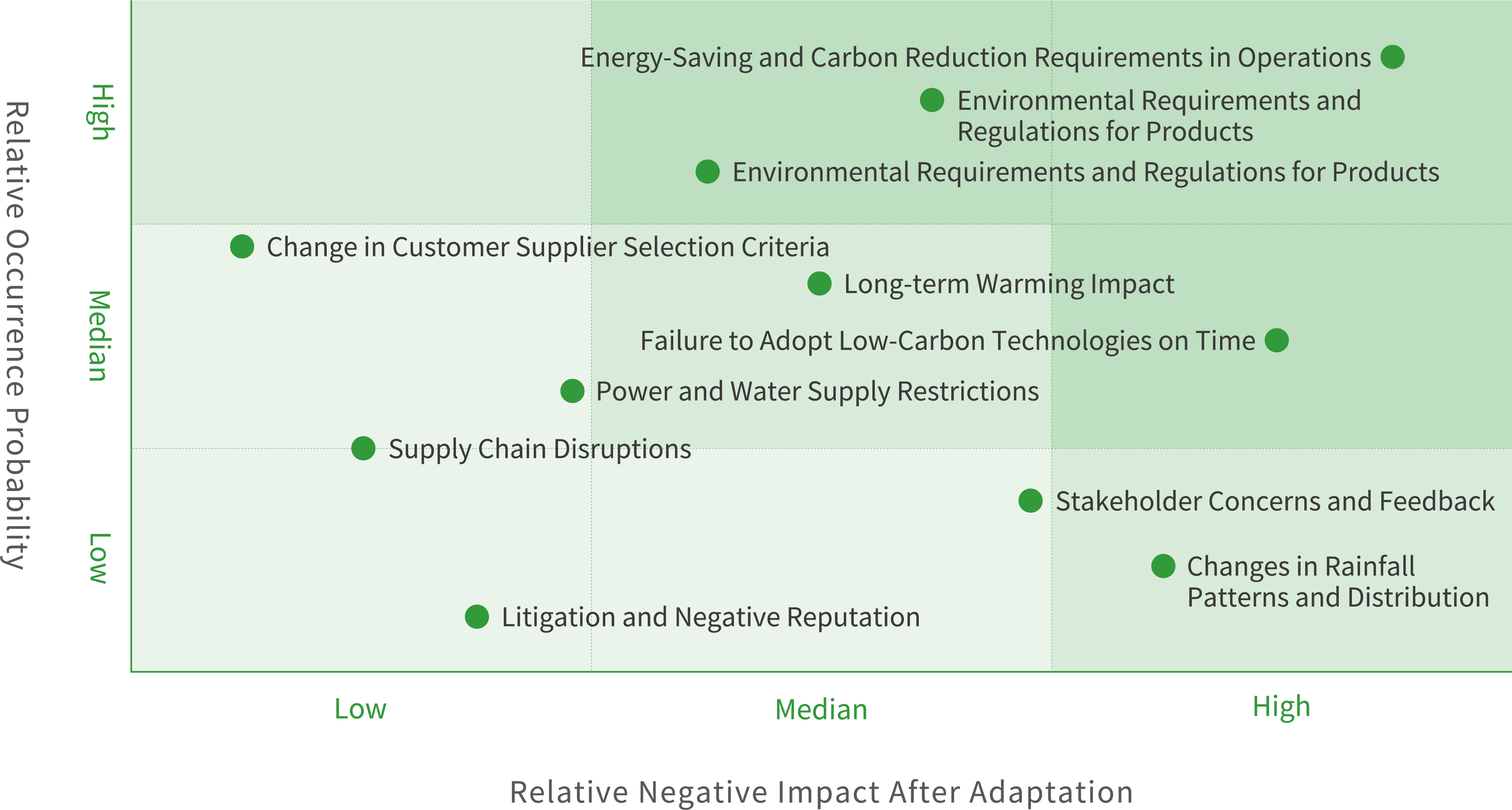
Phihong categorizes risks and opportunities associated with climate- and nature-related issues by timeframe: short-term (within 2 years), mid-term (2–6 years), and long-term (beyond 6 years). The Sustainability Development Office systematically identifies potential risks and opportunities through regular reviews of international research reports, industry trend analysis, and multi-stakeholder surveys. In 2024, a total of 11 risks and 6 opportunities were identified. In the regular meetings of the Climate and Nature Project Task Force, all departments are invited to assess each item based on the occurrence probability and impact level, using a structured questionnaire. Key items are then prioritized for management. After comprehensively assessing the occurrence probability and potential impact level, we identified the six most significant risks, characterized by both high occurrence probability and high impact level, as well as the three most promising opportunities.
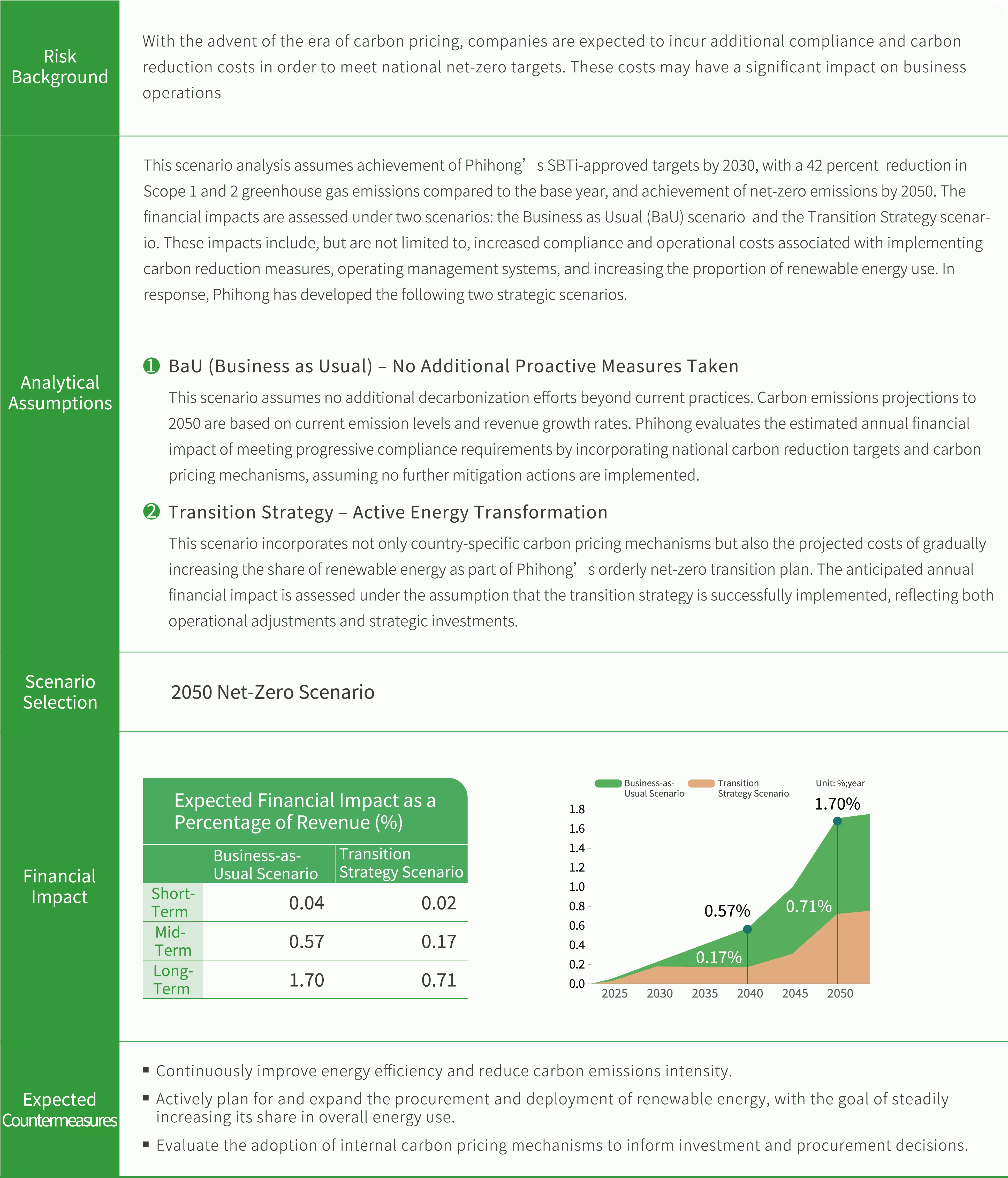
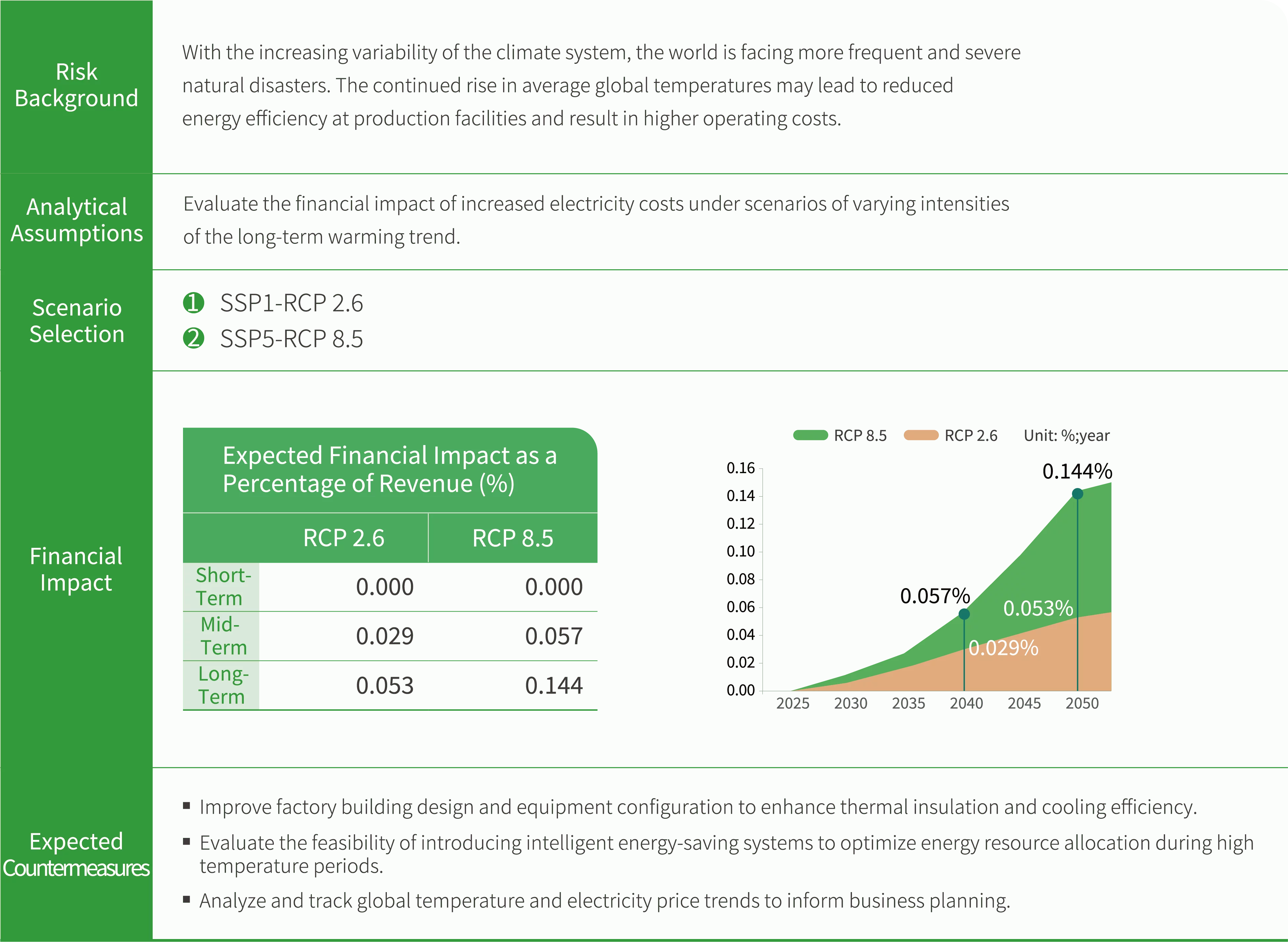
The main risks include the impact of extreme weather events on plant operations, the cost pressure associated with the global push for net-zero policies, and the potential of carbon cost pass-through within the supply chain resulting from carbon pricing mechanisms. In addition, long-term warming trends and changes in rainfall patterns caused by climate change may lead to increased operational management costs and a higher risk of business disruptions. To mitigate these risks, the Group has established a comprehensive risk identification and response mechanism to ensure the resilience and stability of its operations and value chain. In terms of opportunities, the Group regards low carbon transformation as a core strategy. Phihong leverages technological innovation, product design optimization, and the adoption of renewable energy to strengthen its market competitiveness. For example, it develops high-efficient, energy-saving power products to meet growing demand for low carbon products, and actively participates in international green supply chain initiatives to expand business opportunities. Through clear strategic planning and execution, Phihong proactively addresses climate change and nature-related risks while seizing opportunities arising from the green transition, thereby safeguarding long-term corporate competitiveness.
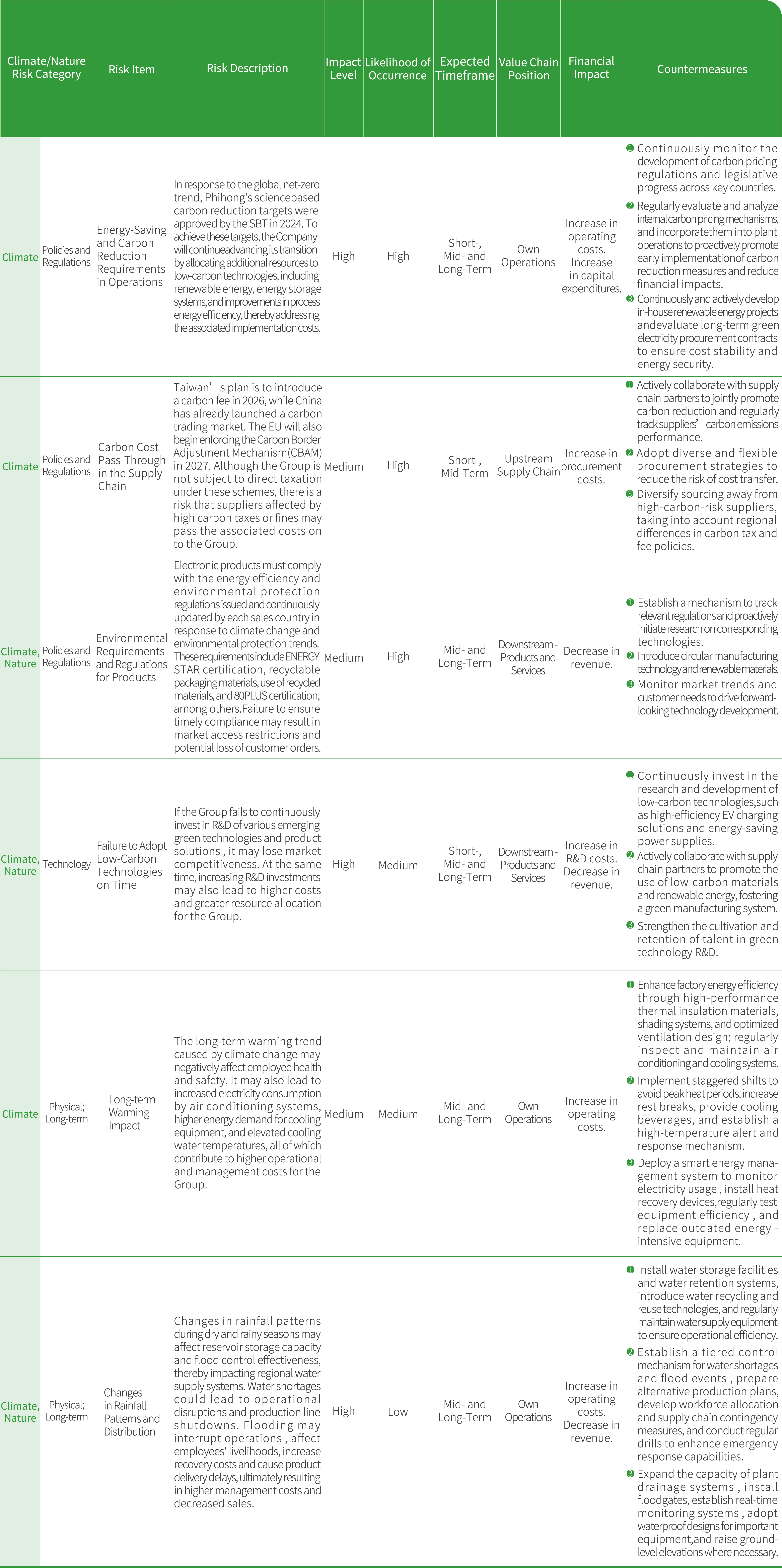
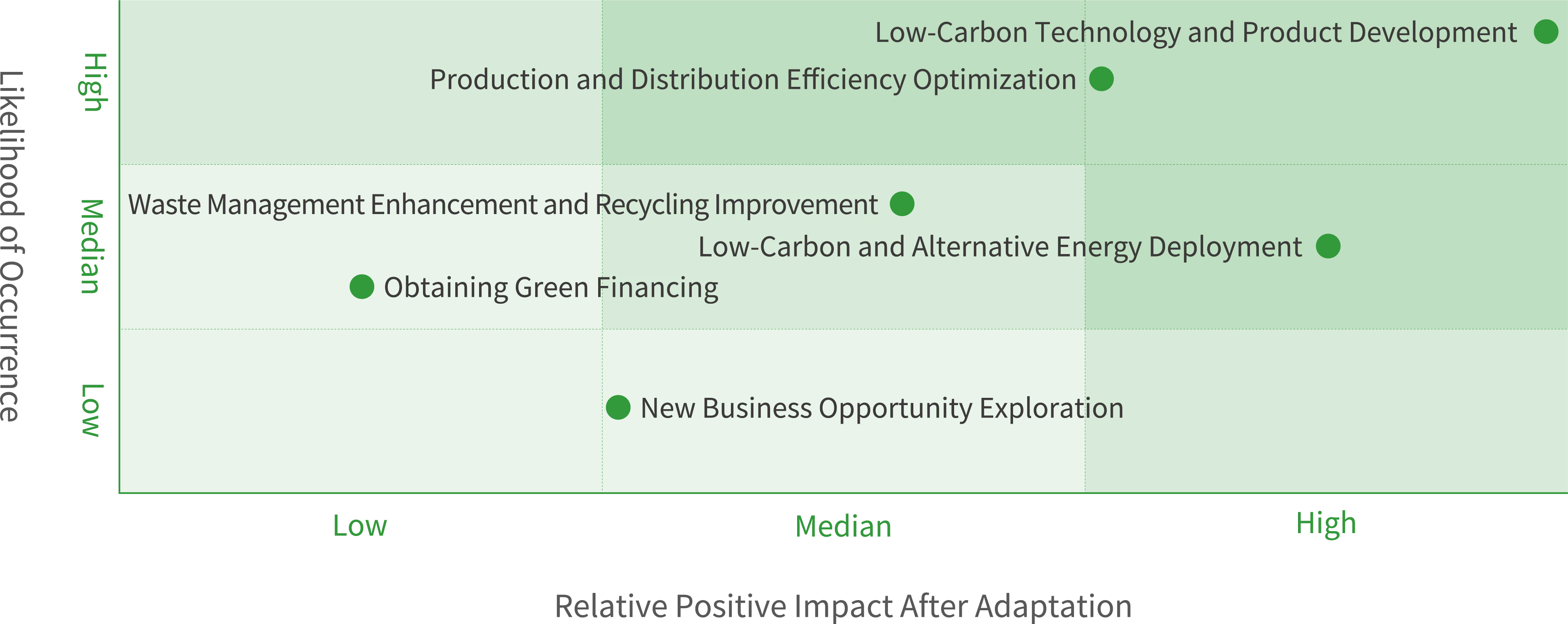
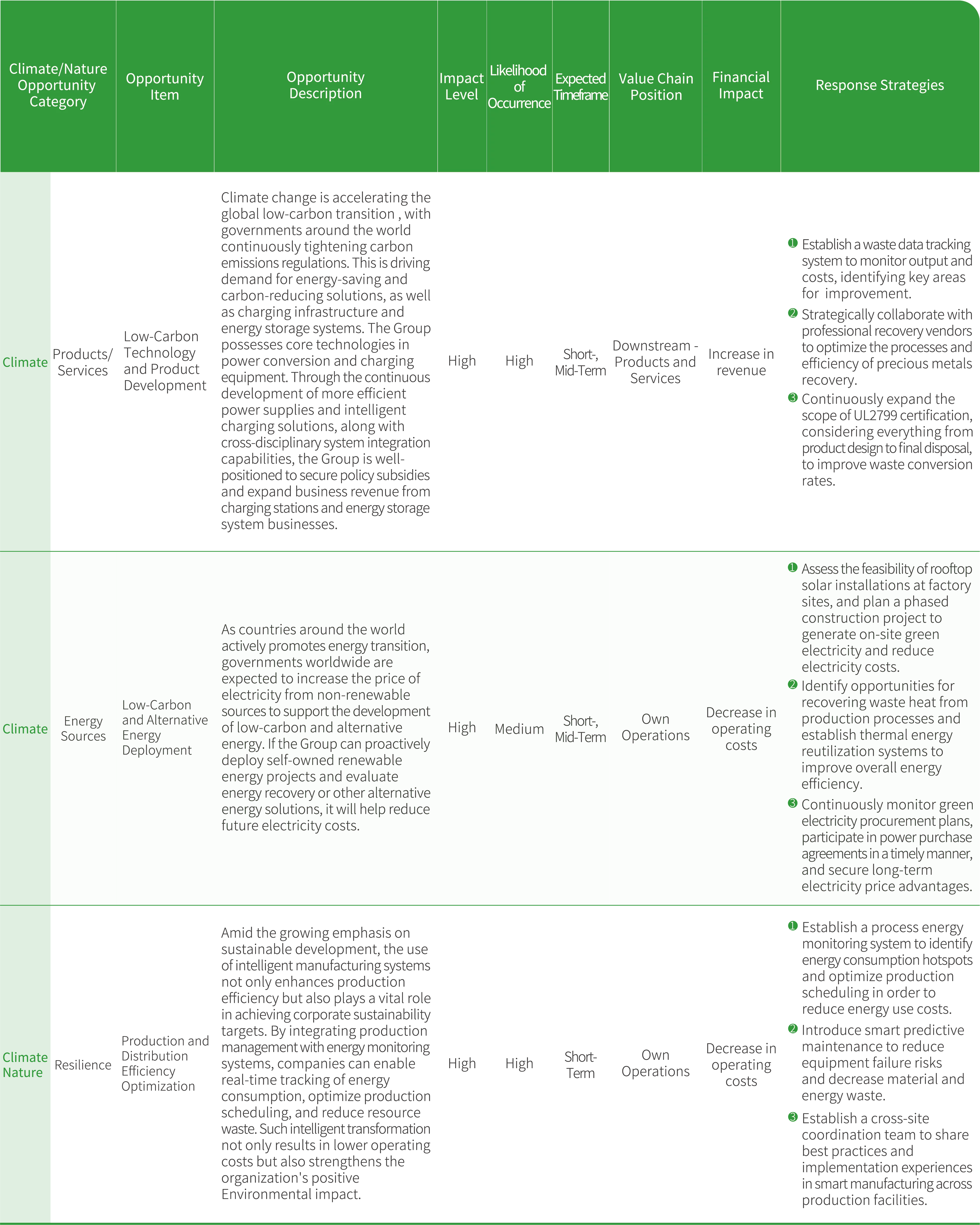
Phihong conducts comprehensive identification of potential internal and external risks and impacts, covering areas such as operations, technology, information security, facilities, supply chain, finance, and human resources. A comprehensive response mechanism has been established, encompassing early warning, emergency response, crisis management, and recovery actions. A dedicated unit is responsible for Implementation to enhance risk resilience and ensure operational stability and sustainable development.
Phihong continuously optimizes its risk management mechanism, regularly identifies emerging risks, and enhances response capabilities and operational resilience. The risk governance structure is led by the Group’s General Manager, who serves as the Chief Executive Officer, and is responsible for coordinating cross-unit resources. According to the Risk Management Manual, the Group systematically evaluates environmental-, social-, and governance-related (ESG) operational risks to enhance corporate resilience and sustainable development capabilities. The Group’s General Manager provides annual reports to the Board of Directors on the implementation status and achievements, ensuring effective board oversight of the risk governance mechanism.
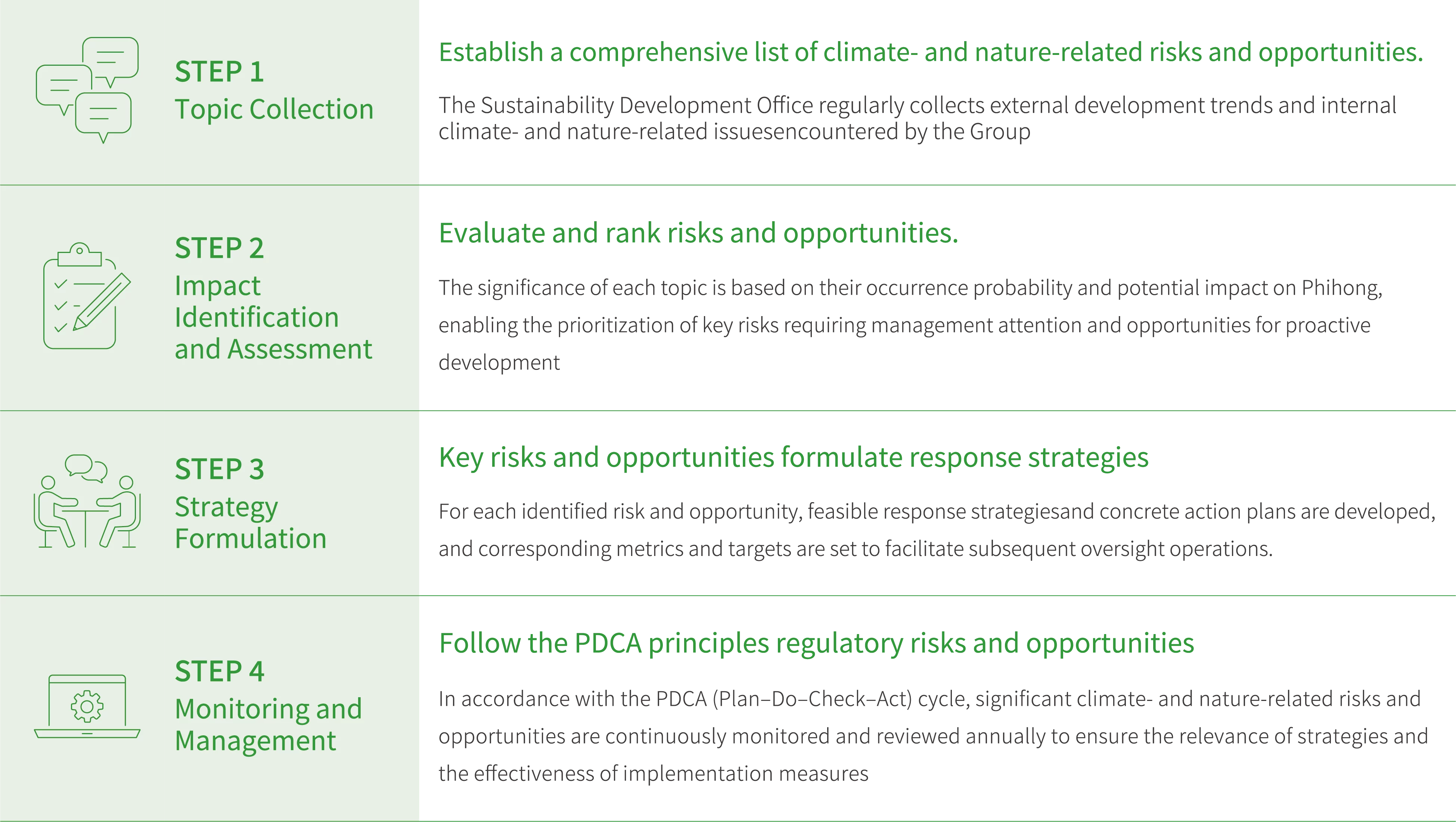
Phihong has established a comprehensive climate and nature risk management framework that adopts a forward-looking approach to identify both challenges and business opportunities. These insights are integrated into the Company’s corporate strategies and daily decision-making processes. We follow a four-step process to assess climate and nature-related risks and opportunities. This approach ensures effective risk mitigation and opportunity capture, thereby strengthening organizational resilience and generating long-term sustainable value. For key risks and opportunities, we formulate quantifiable response strategies and Action plans, define performance indicators and phased targets, and conduct regularly reviews using the PDCA cycle. This continuous improvement mechanism ensures flexibility and effectiveness, allowing us to adapt our strategies in response to evolving market dynamics.
Through this robust risk and opportunity assessment process, the Group not only responds swiftly to international regulatory and market changes, but also actively expands its sustainability impact across the value chain. By engaging partners in climate and nature-related initiatives, we reinforce our leadership position and operational resilience in the low-carbon transition.
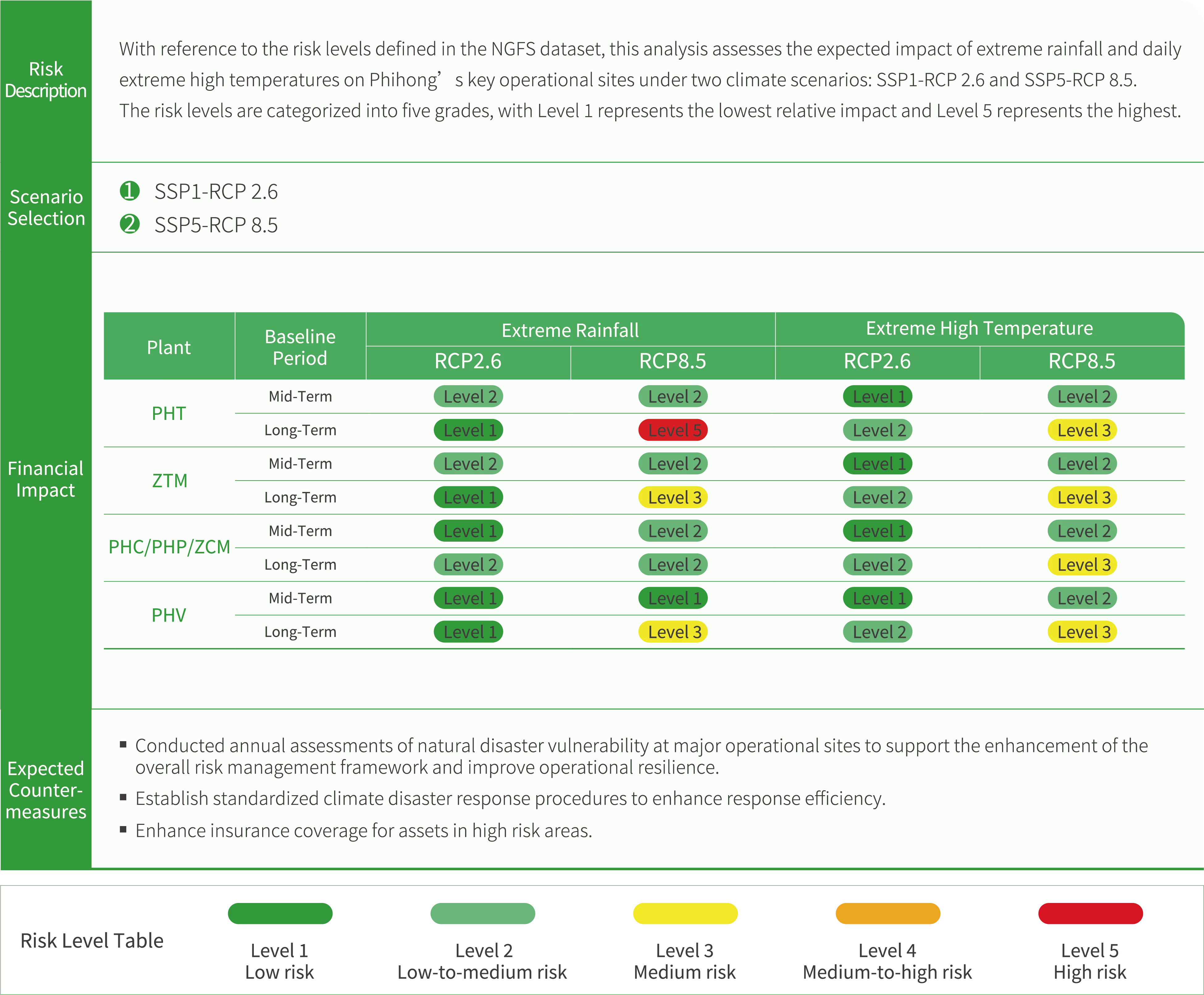
Following the identification of key climate-related risks, Phihong conducted a quantitative assessment of significant climate and nature risks to better understand potential risk patterns under different climate scenarios. The analysis covers short-, medium-, and long-term timeframes and supports the development of appropriate mitigation and adaptation measures. For detailed information, please refer to Phihong’s 2024 Climate and Nature Biodiversity Report.
In response to emerging trends in nature-related risk management, Phihong initiated an assessment this year to evaluate potential impacts and risks on biodiversity-sensitive areas across its value chain.
The assessment leveraged the Biodiversity Risk Filter developed by the World Wide Fund for Nature (WWF) to evaluate the geographic locations of upstream suppliers, Phihong’s own operations sites, and downstream partners. This serves as a crucial basis for future climate- and nature-related risk management and disclosure.
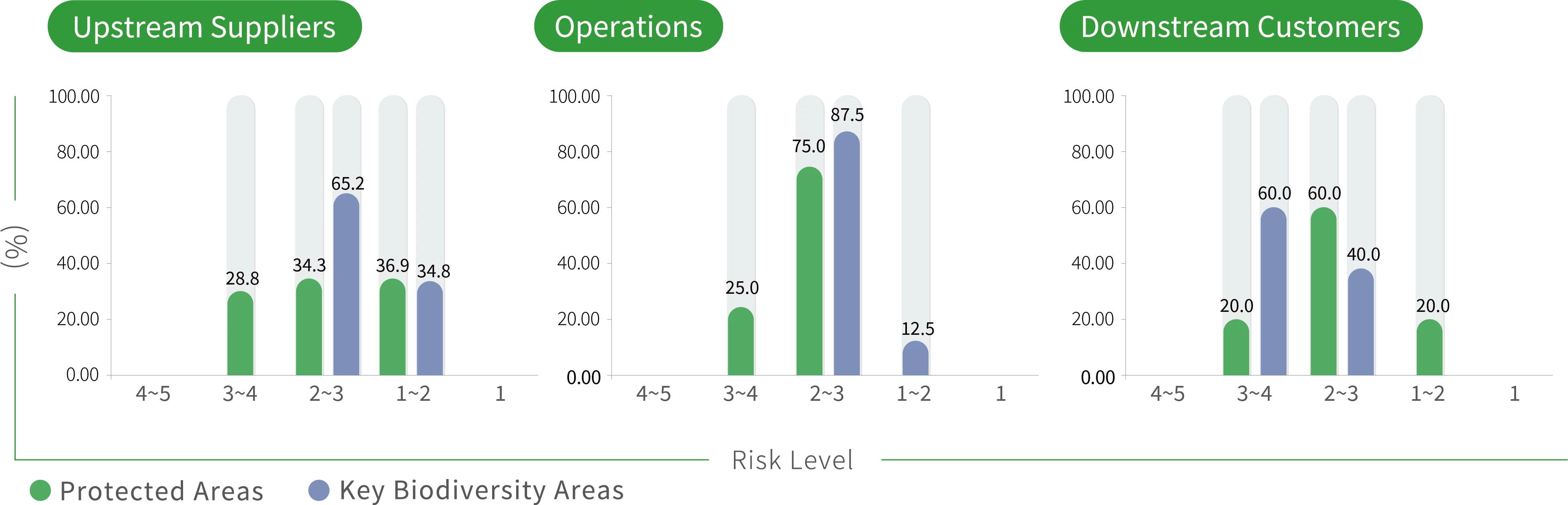
This assessment covered 100% of the Group’s operational sites, core suppliers, and all waste disposal contractors. Risk levels were classified based on the potential impact level on Protected Areas (PA) and Key Biodiversity Areas (KBA) in each location to ensure the completeness and representativeness of the analysis results.
The impact level was divided into five grades, ranging from 1 (lowest) to 5 (highest). All sites were statistically analyzed based on their score intervals (1, 1~2, 2~3, 3~4, 4~5) , with a focus on identifying whether any stage of the value chain falls within high potential risk zones (i.e., scores of 4~5).
As shown in the figure below, none of the Group’s upstream suppliers, operation sites, or downstream customers are located in areas with high biodiversity sensitivity (scores of 4~5). The majority of sites fall within low-to-medium risk ranges (between 2~3 and 3~4), indicating that the overall biodiversity-related risk across the value chain is currently low. Although there are no current exposures to high-risk areas, Phihong will continue to monitor biodiversity risk trends in the regions where value chain sites are located. This information will be integrated into supplier selection, site planning, and sustainability strategies to minimize potential impacts on natural capital and strengthen the Group’s ability to manage nature-related risks.
As climate change intensifies, the frequency and severity of extreme weather events and sudden disasters continue to rise globally. To strengthen risk preparedness and operational resilience, Phihong has established a Business Continuity Planning (BCP) to serve as a the foundation for responding to operational interruption risks. In the event of an emergency, the BCP enables the Group to swiftly activate response mechanisms, ensuring the timely resumption of operations and minimizing potential impacts.
To ensure BCP remains effective over the longterm, Phihong conducts annual reviews and continuously optimizes its content. The BCP is also linked to key performance indicators (KPI)to enhance overall response efficiency and management effectiveness. The plan applies to all subsidiaries and branches within the Group and is coordinated by the General Manager to ensure the effective implementation of all operating performance indicators. Currently, Phihong has established standard operating procedures (SOPs) to address seven major operational interruption risks: natural disasters, man-made incidents, product safety issues, infectious disease outbreaks, workplace safety incidents, information security risks, and supplier emergencies. Additionally, insurance mechanisms are utilized to help disperse potential risks and mitigate the financial impact of major events, thereby supporting the Group’s stable and sustainable operations.
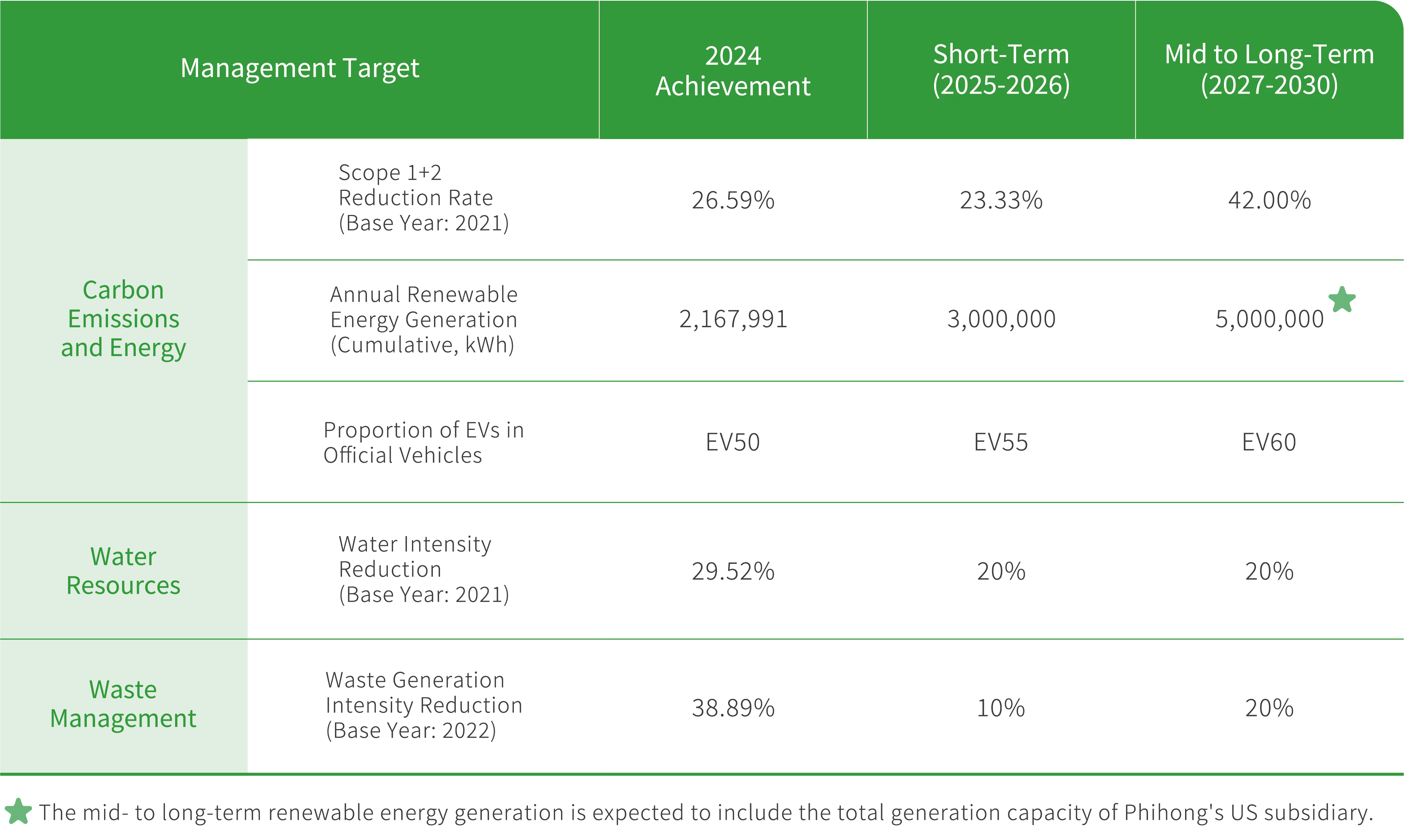
To address the potential impact of climate and nature-related changes on operations, Phihong has set green operation targets.These targets are supported by specific strategies across key areas, including energy conservation and carbon reduction, renewable energy generation, water resources usage, and waste management. The Company also reviews implementation results on an annual basis and continuously develops and implements improvement measures to enhance the overall effectiveness of environmental management.
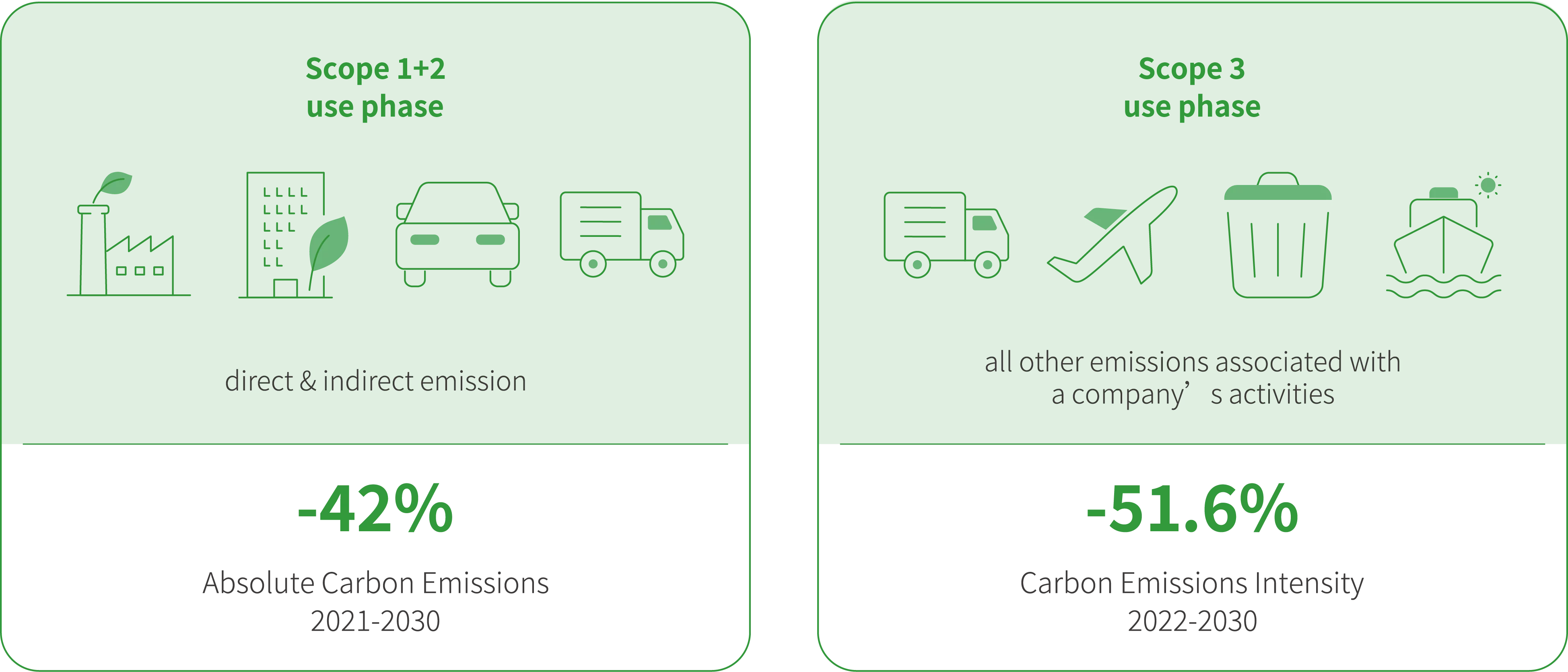
In 2021, Phihong proactively adopted the Science-Based Targets Initiative (SBTi) framework and submitted its carbon reduction commitment. In November 2023, following the SBTi Net-Zero Standard, the Group set science-based targets to reduce absolute Scope 1 and Scope 2 GHG emissions by 42% by 2030, using 2021 as the base year. Additionally, Scope 3 carbon intensity is targeted for a 51.6% reduction by 2030, based on 2022 as the base year. These targets align with the goals of the Paris Agreement to limit global temperature rise to 1.5°C above pre-industrial levels. The targets were officially approved by SBTi in March 2024.
In terms of carbon reduction achievements, Phihong has significantly increased the use of renewable energy, renewable energy, replaced outdated cooling systems, As a result, in 2024 the Group’s overall emissions intensity decreased by 17.25% and total emissions were reduced by 26.59% compared with 2021 (the baseline year), well exceeding the original reduction targets. In addition, regarding the medium- to long-term Scope 3 reduction plans, Phihong is driving a green and low-carbon transformation of its supply chain through three major strategies: advancing sustainable procurement, promoting localized management, and reducing the carbon footprint across the value chain These actions reflect Phihong’s strong commitment to addressing climate change and achieving long-term sustainability goals through proactive and science-based approaches.

The annual environmental information disclosure and scoring system of CDP, an international non-profit organization, is widely regarded as a key global benchmark for evaluating corporate transparency on environmental issues. Phihong has participated in the CDP Supply Chain program for many years, using the CDP platform to disclose key information on corporate environmental impacts, risks, and opportunities. In the 2024 CDP evaluation report, Phihong received ratings of B in “Climate Change” and B- in “Water Security,” marking its first entry into the Management Level category. This represents a significant three-tier improvement from 2023, indicating strong external recognition of Phihong’s efforts in addressing climate change and water stewardship.